

Concrete Crushing & Recycling
Concrete Crushing & Recycling for Bay Area Demolition Sites
Broken concrete is a raw material, not trash. We sort, size and either crush it on site or haul it to processors, so it returns as aggregate base and counts toward your project's diversion target.
On-Site Concrete Crushing or Hauling to a Recycler?
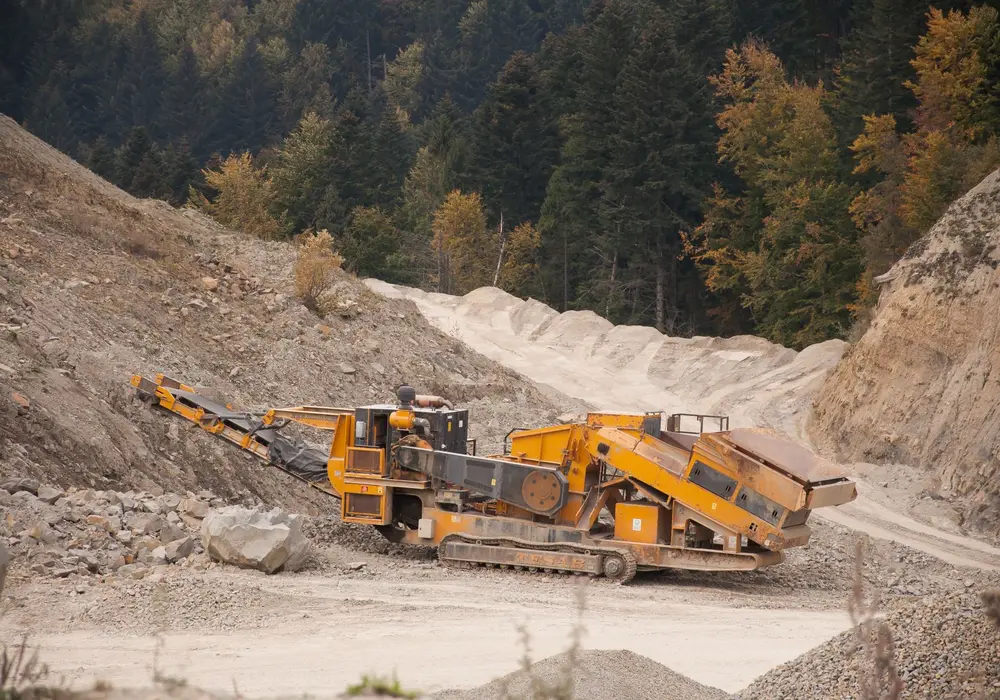
The choice comes down to volume, space and whether the project needs the crushed material. A portable crusher earns its keep on large sites: a tilt-up building with thick floors, a parking lot with heavy curbs, a campus where several buildings come down together. If there's room to stockpile rubble and the new construction can use recycled aggregate as fill or base, crushing in place saves the trucks that would otherwise haul rubble out and bring rock back in.
Smaller jobs rarely justify bringing in a crusher. A house foundation, a few driveways or a commercial slab usually produce too little concrete, and a residential street is no place for a crushing plant. In those cases we haul clean concrete to a processing facility, where it's crushed alongside material from other jobs. Either route diverts the concrete from landfill. The difference is where the crushing happens and whether the product comes back to your site.
What Recycled Concrete Aggregate Is Used For
Crushed concrete, screened to a consistent size, is used as base under slabs, driveways, sidewalks and parking areas, as backfill around foundations and in utility trenches, and as surfacing for temporary construction roads and staging pads. Larger pieces serve as rock for erosion control or drainage in some designs. Whether it can be used in a given spot depends on the project specifications. Many public agencies and engineers accept recycled base that meets a gradation and quality standard, while others limit where it goes.
On site, the soils engineer usually has to approve recycled material before it's used as structural fill or base, often after testing its gradation and how well it compacts. We coordinate that testing early, so the crushed stockpile is sampled and approved well before the earthwork schedule calls for it.
Preparing Demolition Rubble for the Crusher
A crusher works best on clean concrete in pieces it can swallow. Large slabs and footings are broken down with a breaker or a hydraulic processor on an excavator. Rebar sticking out of the pieces is cut with shears, and the crusher's magnet pulls the remaining steel from the crushed stream. Everything else is kept out: wood, plastic, roofing, drywall, soil clods and especially asphalt, which goes to its own recycler.
Contamination is the main thing that can disqualify a stockpile. Concrete from floors under old machinery, chemical storage or fuel areas may need sampling before it's crushed and reused. Painted concrete or masonry from older buildings can raise questions about lead coatings. We identify those areas during the pre-demolition surveys and keep that material separate until it has been checked.
- Break large pieces to crusher size
- Cut and separate projecting rebar
- Keep wood, trash and soil out of the stockpile
- Hold suspect concrete apart for sampling
- Stockpile asphalt separately
How Concrete Crushing and Recycling Works, Step by Step
Estimate Concrete Volume and Reuse Needs
We estimate how much concrete the demolition will produce and compare it with how much fill or base the new construction needs. That comparison decides whether crushing on site or hauling out makes more sense.
Sort and Size the Concrete Rubble
Concrete is separated from other debris during demolition, broken to crusher size and stripped of projecting rebar. Any suspect material is held aside in its own pile until it has been sampled and cleared.
Crush and Stockpile Recycled Concrete
The crusher reduces rubble to the specified size, a magnet removes the remaining steel, and water sprays control dust. Finished aggregate is stockpiled for testing and reuse, or hauled to a recycler.
Document Concrete Diversion for the City
Weight tickets, stockpile measurements and crusher logs are compiled into the diversion report the city needs. That paperwork supports the final inspection and the refund of any waste plan deposit the city collected.
Air, Noise and Water Rules for Portable Concrete Crushers
Portable crushers operate under air permits, either from the state's portable equipment program or the local air district, and those permits come with operating conditions. Water sprays at the jaw, conveyors and stockpiles keep dust down, and stockpiles are wetted or covered on windy days. Cities set hours and noise limits for construction equipment, and a crusher runs only during the hours allowed.
Distance to neighbors matters most. On a large site, the crusher can sit far from homes and businesses with stockpiles placed to shield sound. On a tighter site near residences, hauling to a recycling facility may simply be the better choice. We look at the layout, the neighbors and the permit conditions before recommending on-site crushing.
Recycling Records for CALGreen and City Waste Plans
Most Bay Area cities require a construction and demolition waste management plan before issuing a demolition permit, and many collect a deposit they refund once the project shows it met the CALGreen diversion requirement. Concrete is usually the heaviest material on a demolition job, so how it's handled can decide whether the project meets the target. Weight tickets from recycling facilities are the standard proof.
When concrete is crushed and reused on site, there's no outside scale ticket, so the diversion is documented with volume estimates, stockpile measurements or tonnage logs from the crusher. We keep those records through the job and assemble them for the final report, along with tickets for steel, asphalt and other materials.
Recycling Asphalt, Rebar and Brick From Demolition Sites
Concrete is the largest piece, but not the only one. Asphalt goes to plants that turn it into new paving or base. Rebar, wire mesh and other steel are sold as scrap metal. Brick can be salvaged for reuse when it's in good condition or crushed with masonry when it isn't. Clean base rock from under slabs and parking lots can often be stockpiled and reused on the same site. Keeping these streams separate from the start gives each one its best outlet and keeps disposal costs down.
Related Concrete Removal Services
Concrete Removal
Driveway Removal
Patio & Sidewalk Removal
Foundation Removal
Concrete Slab Removal
Concrete Cutting & Sawing
Asphalt & Parking Lot Removal
Retaining Wall Removal
Concrete Crushing & Recycling Across the San Francisco Bay Area
Can concrete be crushed on my site?
On larger sites with room for equipment and stockpiles, often yes, subject to air permit conditions and local noise rules. On small or residential sites, hauling to a recycling facility is usually more practical.
Can crushed concrete be used as base for my new building?
In many cases, if it meets the project's gradation and quality specifications and the soils engineer approves it. Testing usually happens before the material is placed.
What happens to the rebar in the concrete?
It's cut away and pulled out by magnet during crushing, then sold as scrap steel. Separating it is part of producing clean recycled aggregate.
Does recycling concrete help meet CALGreen requirements?
Yes, and it's often the biggest factor. Concrete is heavy, so diverting it moves the diversion percentage more than almost any other material. We keep the records the city asks for.
Ask About Concrete Crushing and Recycling
Call (510) 826-3578 or use the quote form to describe the demolition and what the new project needs for fill or base. We respond to form requests in one business day or less.
- Email: contact@sfbayareademolitioncontractor.com
- Serving all 9 Bay Area counties from San Jose