
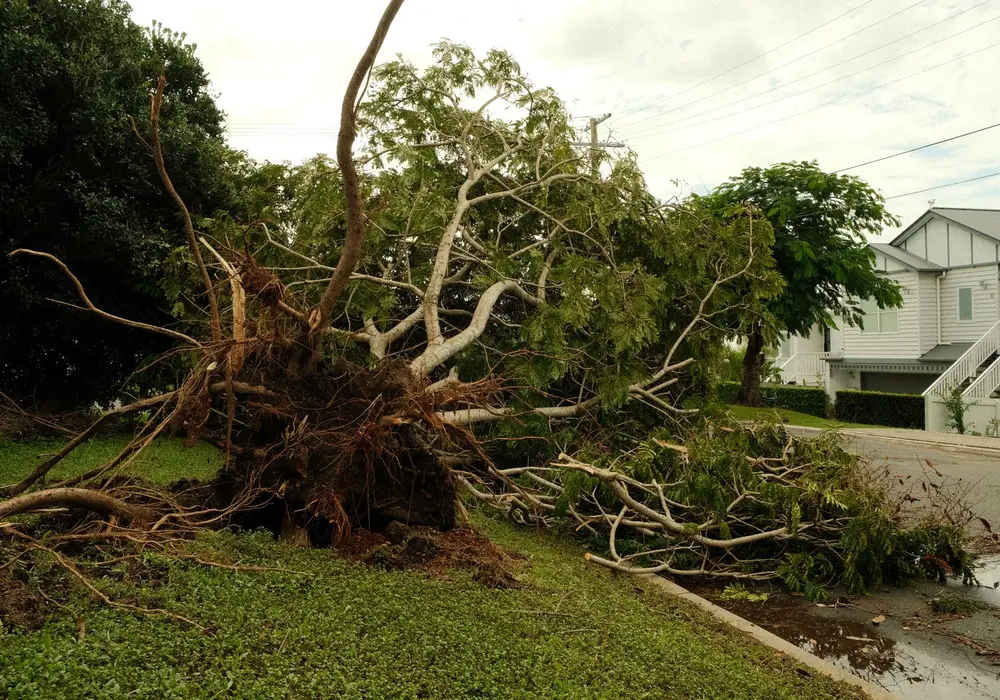
 Emergency Demolition
Fast, controlled teardown of buildings left unsafe by fire, collision, landslide or storm, with fencing, utility shutoff confirmation and coordination with the building official and insurance adjuster.

Specialty Demolition Services
Some demolition work does not follow the house-or-warehouse pattern. A storm-damaged building, a retrofit under occupied apartments, a pier over open water or a silo on a ranch each needs its own plan, its own permits and the right equipment.
Most demolition follows a familiar order: survey, permit, disconnect, knock down, haul away. Specialty demolition is the work where one factor overrides that routine. It might be the clock, a structural engineer's drawings, a shoreline, a pile of century-old redwood worth saving, or a vessel that once held fuel. We group six services in this category because each needs planning that a standard teardown never asks for, and because the people who call about them are usually facing a problem they have not dealt with before.
Emergency demolition handles structures that a fire, collision, slide or storm has left unsafe. Soft-story retrofit demolition opens up the ground floor of wood-frame apartment buildings so a retrofit crew can add new frames, shear walls and footings. Deconstruction and salvage takes a building apart by hand to recover lumber, fixtures and brick. Barn and agricultural demolition covers barns, sheds, dairies and winery outbuildings on rural parcels. Dock and pier demolition removes decks, piles and floats along the Bay, its rivers and the Delta. Tank and silo demolition takes down above-ground tanks, silos and hoppers once they have been emptied and cleaned.
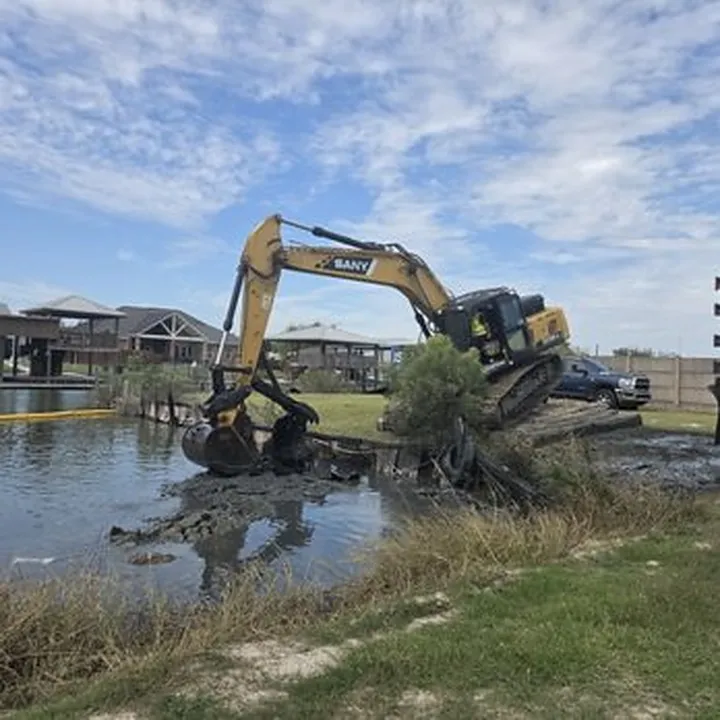
No single machine fits this category. A soft-story job may be done almost entirely with rotary hammers, reciprocating saws, a walk-behind flat saw and a mini excavator narrow enough to roll through a garage door. A barn on open ground can come down with a full-size excavator and thumb, pulling the roof and walls inward so the debris lands inside the footprint. Tanks and silos call for hydraulic shears that cut steel cold, with a torch brought in only after the vessel has been tested and cleared for hot work.
Work over water uses a different kit: vibratory pile extractors, a crane working from the shore or from a floating barge, saws for piles that have to be cut near the mudline, and containment booms on the surface. Deconstruction leans on labor more than machines, with pry bars, denailing stations and pallets for stacking reclaimed boards. Choosing the equipment to suit the structure, the access and the goal of the job is most of the planning we do before a quote.
Order of work matters more here than on a routine teardown, because the surprises tend to show up early. Before anything else we want to know which document controls the job: an emergency order from the building official, an engineer's retrofit drawings, a shoreline permit, a salvage list, or a tank closure plan approved by the fire department. That document sets the schedule, and every later step is planned to fit inside it.
From there the standard building blocks fall into place in a set order. Hazardous material surveys and any abatement come first. Utilities are shut off or protected: gas and electric through PG&E or the local municipal utility, water through the water provider, and the sewer lateral capped and inspected where a structure is coming out completely. Erosion controls go in on land, and floating booms go out on water. Then comes demolition, sorting and hauling, followed by restoration, which might mean backfill and compaction, rough grading, or simply a broom-clean garage ready for the framers.
BAAQMD Regulation 11 Rule 2 reaches most specialty work just as it reaches a house teardown. A certified asbestos consultant surveys the structure first, and the air district must be notified before a building is demolished. Barns and ag sheds often carry cement asbestos roofing or siding, older apartment buildings can have it in plaster and ceiling texture, and waterfront buildings sometimes hide it in old pipe wrap. Whatever the survey turns up goes out first, handled by a state-certified abatement firm we book ahead of our own crew.
Other approvals depend on the service. Cities issue demolition or alteration permits through the building division, and the county handles unincorporated land, which includes many barns in Sonoma, Napa and Solano counties. Retrofit demolition usually falls under the retrofit permit itself. Anything built over Bay water or within its shoreline band answers to BCDC, and water quality and navigable-waters reviews usually add the regional water board and the Corps of Engineers, with other agencies joining on some sites. Tank closures go through the fire department or county environmental health. We confirm the list for each address before we commit to a schedule.
Specialty Demolition
Emergency DemolitionFast, controlled teardown of buildings left unsafe by fire, collision, landslide or storm, with fencing, utility shutoff confirmation and coordination with the building official and insurance adjuster.
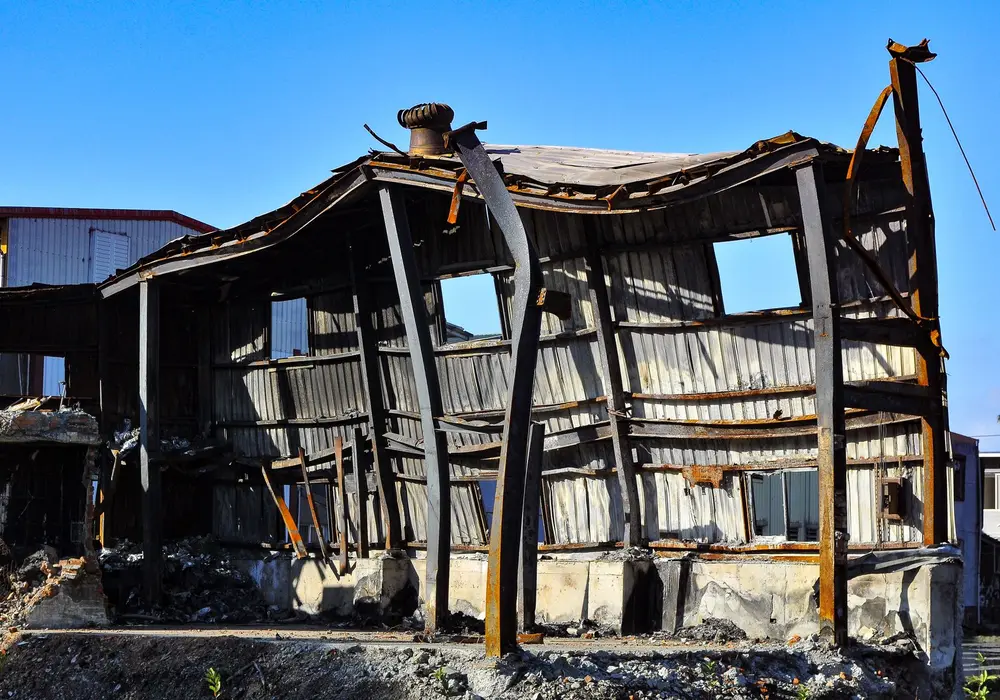 Soft-Story Retrofit Demolition
Selective ground-floor demolition for mandatory soft-story retrofits: opening walls, cutting slabs and excavating footings to the engineer's plans while tenants stay in their units.
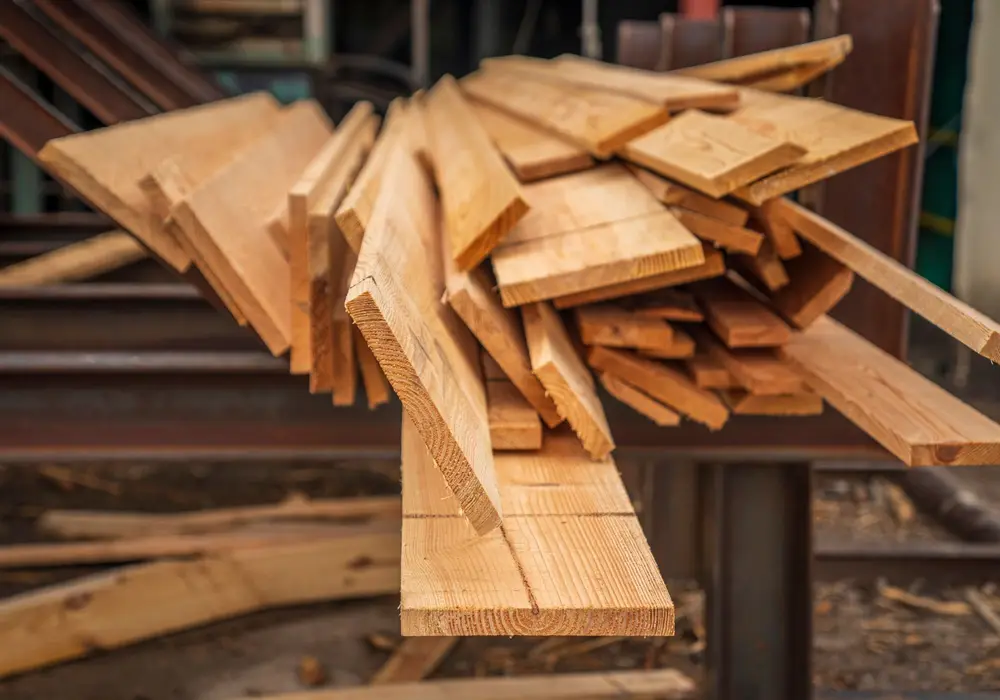 Deconstruction & Salvage
Hand dismantling that recovers old-growth lumber, flooring, doors, fixtures and brick from older homes, with sorted salvage for reuse, resale or donation and strong waste diversion numbers.
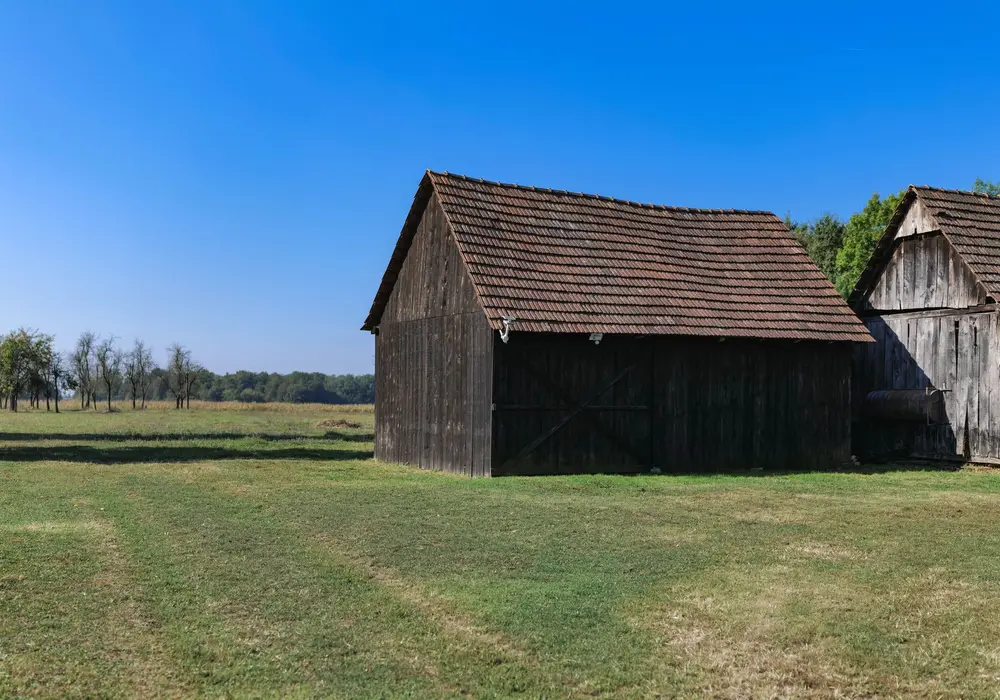 Barn & Agricultural Demolition
Removal of timber barns, pole barns, dairy buildings, equipment sheds and winery outbuildings on rural land, with county permits, asbestos roofing handled first and barn wood salvaged.
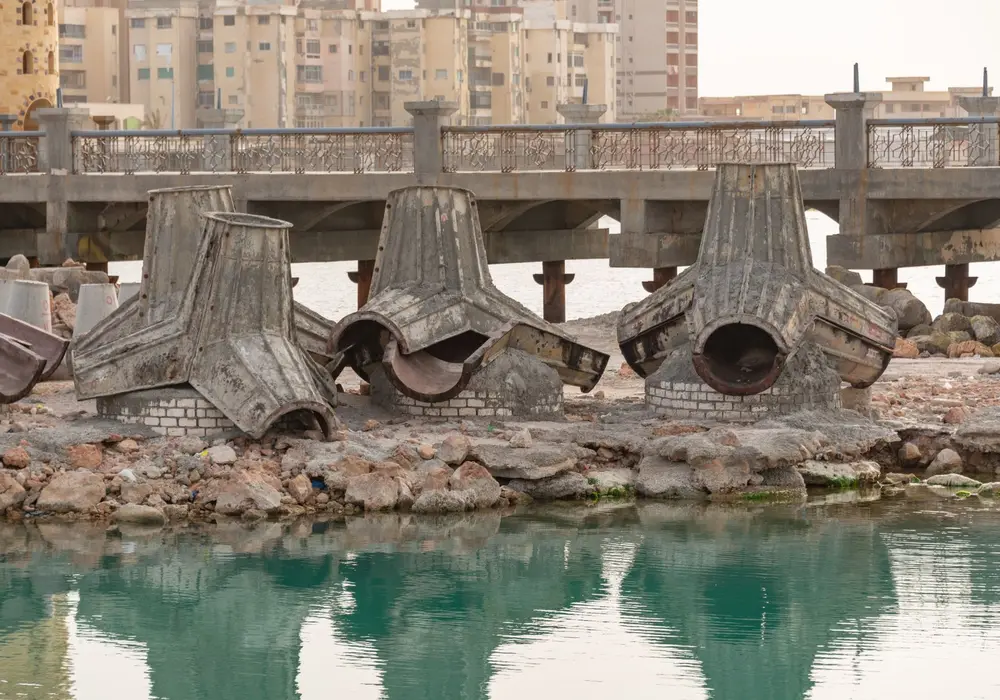 Dock & Pier Demolition
Removal of private docks, piers, floats, gangways, boathouses and old creosote piles along the Bay, lagoons, rivers and the Delta, done under agency permit conditions with full containment.
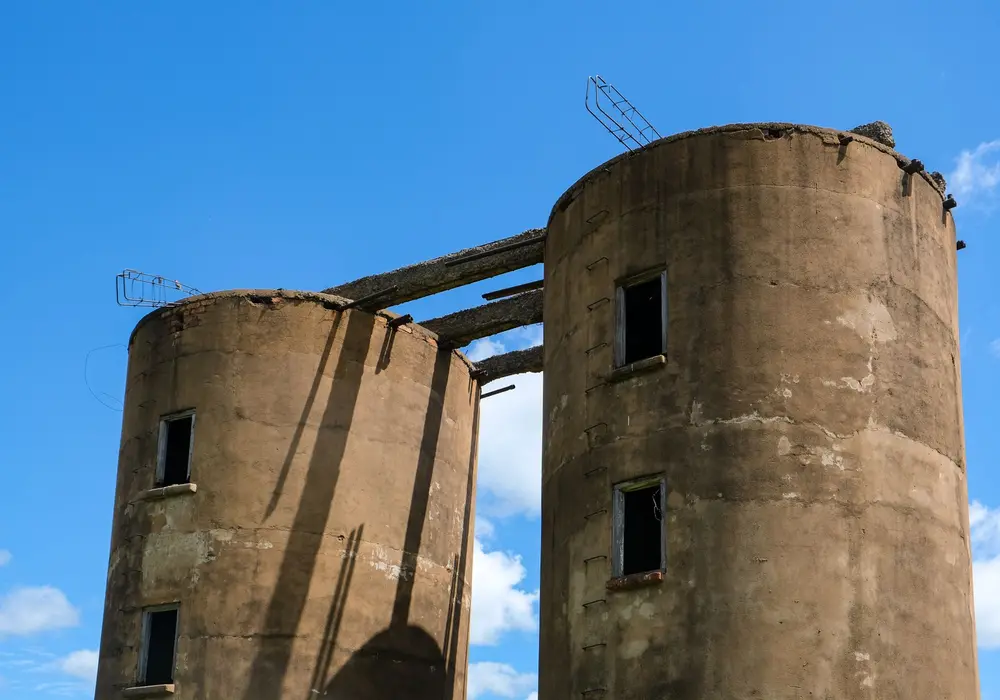 Tank & Silo Demolition
Dismantling of above-ground fuel, water and process tanks, winery tanks, grain bins and concrete stave silos, with cleaning, atmosphere testing and scrap steel recycling built into the plan.
Advantage
On retrofit and partial demolition we work from the structural plans, marking every wall, slab cut and footing line before cutting so nothing comes out that the engineer meant to keep.
Mini excavators, compact skid steers and walk-behind saws fit through garage doors and narrow side yards, so ground-floor and backyard work does not depend on taking down fences or neighboring walls.
Steel, timber, concrete and reusable fixtures are separated as they come off the structure, which keeps diversion records clean and lets owners decide what to keep, sell or donate.
A single point of contact lines up the asbestos survey, abatement contractor, utility shutoffs and agency conditions, so the property owner is not juggling five separate schedules.
Pricing here depends on factors that rarely matter on ordinary demolition. Emergency work costs more because crews and equipment are pulled off planned jobs, and because a damaged structure has to come apart slowly and in a deliberate order. Retrofit demolition is priced from the engineer's plans: how many feet of wall must be opened, how much slab must be saw cut and broken out, how deep the new footings go, and whether tenants or parked cars limit working hours.
Deconstruction is mostly a labor cost, partly balanced by salvage the owner keeps, sells or donates. Barn jobs turn on size, roofing material, the condition of the access road and the distance to the nearest recycling yard. Dock removal depends on pile count, whether piles are pulled or cut, whether a barge is needed, and the in-water work window. Tank and silo pricing follows height, wall thickness, residues left inside, and what the steel is worth as scrap. Each of these appears as its own line in our quote so the total is easy to follow.
Field time on specialty work is often short compared with the paperwork in front of it. A barn may come down in a day or two once the asbestos roofing is gone, while the county permit and the survey take longer than the demolition itself. A dock can sit waiting for agency approvals and the allowed in-water season long after the crew is ready. Emergency demolition flips that pattern: the city can authorize work quickly, and the limit becomes how safely a damaged structure can be taken apart.
Retrofit demolition runs on the retrofit contractor's schedule, usually in phases so tenants keep some parking and a clear way in and out. Deconstruction takes considerably longer in the field than machine demolition of the same building, because each board is removed instead of crushed. Weather matters too: rain softens farm roads and clay pads, and wind can stop crane picks on a pier. We give a realistic range when we quote and update it as surveys and permits come back.
The state's green building code, CALGreen, expects a demolition job to divert at least 65 percent of its nonhazardous debris, counted in tons on scale tickets, and plenty of Bay Area building departments hold the permit until a diversion plan and deposit are on file. Specialty jobs usually beat that figure without strain. Steel tanks and silo panels go to scrap metal recyclers. Barn timbers and corrugated roofing have resale and recycling outlets. Concrete from slab cuts, footings and pier caps is crushed into base rock for reuse on other projects.
Some materials need their own handling. Creosote piles and pressure-treated lumber are managed as treated wood waste and never mixed with clean wood. Lead-painted trim pulled during deconstruction stays segregated from salvage that is going to a reuse store. Tank sludge and rinse water leave on manifests prepared by the cleaning contractor. We keep weight tickets and receipts sorted by material so you can close out the diversion report with the city without chasing paperwork.
Specialty sites are often odd places to work: an apartment building with families upstairs, a pier deck over moving water, a burned house leaning toward a neighbor's fence, or a grain silo surrounded by working farm equipment. Each job gets a site-specific safety plan that covers fall protection, exclusion zones, confined space entry for tanks, and the order in which load-bearing members come out.
Neighbors and occupants hear from us before the heavy work begins. We post working hours, keep dust down with water misting, run HEPA vacuums inside occupied buildings, and route trucks so they do not block narrow streets or farm lanes. On the water, booms and debris nets keep material out of the Bay. When a job has to start early or run late, we explain why ahead of time and confirm the allowed hours with the city.
It is specialty work when something beyond size or building type controls the plan: an emergency, an occupied building, a salvage goal, open water, or a tank that held fuel or chemicals. Those jobs need extra surveys, different equipment or agency approvals that a typical house or commercial teardown does not.
Only once the fire department has released the scene, utilities are confirmed off, and the building official has authorized the work. Cities can move quickly when a structure threatens a street or neighbor. We can usually fence and stabilize the site while that authorization is arranged.
Usually not. The work is on the ground floor, which is often parking and storage, so upstairs units stay occupied. Tenants may lose parking for a stretch and hear saw and hammer noise during working hours. The owner handles any tenant notices the city program requires.
In labor, yes, since the building is taken apart piece by piece. The gap narrows when salvage is resold, reused in the new building or donated, and in cities that favor deconstruction for diversion credit. We can quote both methods so you can compare.
Usually the owner or the owner's environmental consultant applies, because the applications need site plans and environmental details. We help by describing the removal method, equipment and containment, and then we work to the conditions the agencies attach.
Underground tanks are handled under our hazardous material abatement services, since pulling one out of the ground requires a permit and an inspector from the fire department or the county's environmental health office. This category covers above-ground tanks, silos and hoppers.
Call (510) 826-3578 or request a quote with the address, what needs to come down, and whether you already have engineer's plans, agency letters or a survey. We reply to form requests within one business day.