
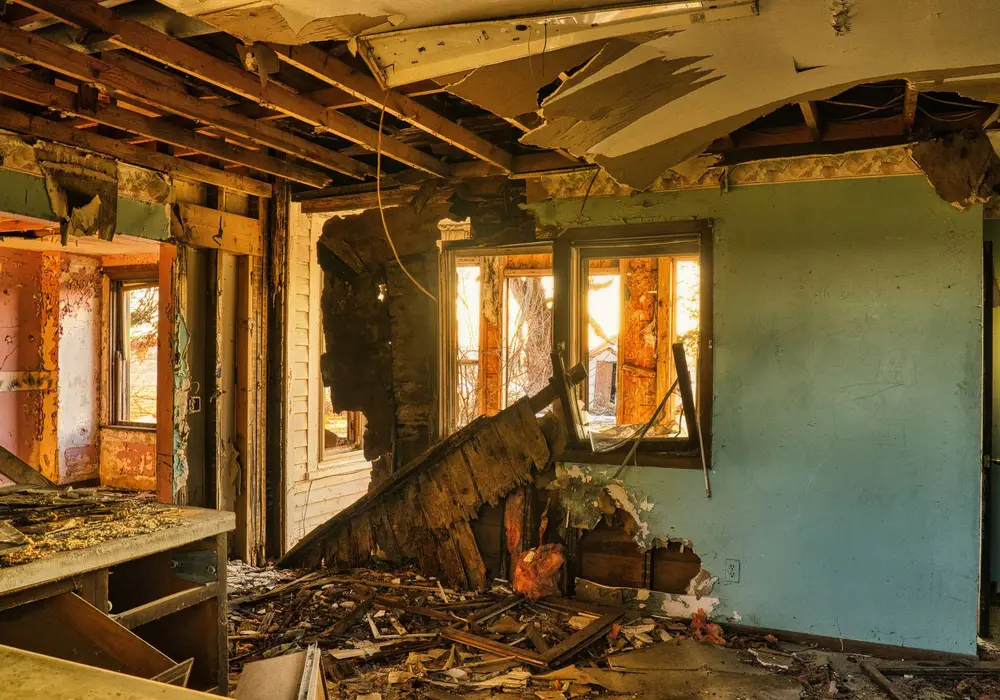
 Kitchen Demolition
Kitchen demolition ahead of a remodel: cabinets, stone or tile counters, soffits, appliances and flooring removed, gas and water capped, and debris sorted and hauled away from the house.

Bay Area interior demolition
We take rooms, floors and entire tenant spaces back to studs, slab or shell while the structure around them stays standing, clean and often occupied. Surveys, utility make-safe, protection and haul-off are part of the job.
Interior demolition removes what sits inside a building's envelope and leaves the envelope alone. The roof, exterior walls and foundation stay put. Everything between them is fair game if the plans call for it: finishes, fixtures, partitions, ceilings, floor coverings, cabinetry and the old plumbing, wiring and duct runs that fed them. It is the first trade on almost every remodel and tenant improvement, and the quality of that first week shapes how smoothly the framers, plumbers and electricians work afterward.
On the residential side the most common requests are kitchen demolition and bathroom demolition, followed by wall removal to open a floor plan, flooring and tile removal ahead of new surfaces, and ceiling removal when popcorn texture, sagging plaster or a vaulting plan is involved. On the commercial side we handle commercial strip-out of offices, retail and medical suites, and selective demolition where one element has to come out of a building that otherwise stays intact. Each of those has its own page, linked below.
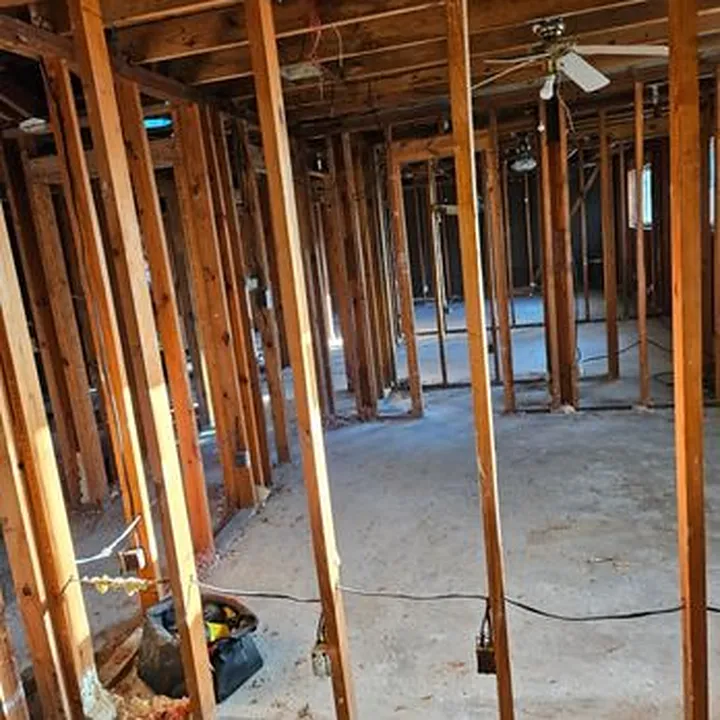
Indoors, the equipment list shrinks and the tool choices get more careful. Most residential interior work is hand demolition: flat bars, cat's paws, reciprocating saws, oscillating multi-tools for flush cuts, and electric demolition hammers for tile and mortar beds. Diesel engines stay outside. Inside a closed space we rely on electric, battery or propane machines with proper ventilation, because exhaust in a living room or an office floor is not acceptable for the crew or for anyone sharing the building.
Larger commercial floors bring in compact track loaders sized to fit through a storefront or onto a freight elevator, ride-on floor scrapers that peel carpet tile and vinyl in long strips, and walk-behind flat saws and core drills when slab openings are part of the scope. For heavy masonry or concrete inside a structure, a remote-controlled demolition machine lets an operator break material from a safe distance without the weight of an excavator on a suspended slab. Debris leaves through rolling carts, enclosed chutes from upper floors or a protected path to the bin.
Good interior demolition is mostly sequence. Pulling the wrong thing first can drop a ceiling on live wiring or send dust into the one HVAC return that serves the rest of the house. We plan the order before the first screw comes out and adjust it to the building, the occupants and whichever trades follow us.
The general order holds whether the space is a 900 square foot condo kitchen or a full office floor. Hazards are identified and cleared first, utilities are made safe second, protection goes up third, and only then does removal start, working from the top of the room down so falling material never lands on finished work.
People are often surprised that the air district's rules reach inside a house. BAAQMD Regulation 11 Rule 2 covers renovation as well as demolition, so before walls, ceilings or floors are disturbed, a certified asbestos consultant surveys the materials in the work area and samples anything suspect. Acoustic ceiling texture, joint compound, vinyl flooring and its mastic, duct wrap and old plaster are the usual items sent to the lab. When quantities cross the district's thresholds, notification is required before work begins.
Anything that tests positive is removed by a state-certified abatement contractor that we schedule and coordinate, usually before our crew mobilizes. Homes built before 1978 are also treated as likely to contain lead paint, which changes how surfaces are cut and cleaned. Permits depend on scope. Cosmetic tear-out often needs none, but removing walls, moving plumbing or wiring, or touching fire sprinklers and alarm devices in a commercial space usually does. We check with the building department before the schedule is set.
Interior Demolition
Kitchen DemolitionKitchen demolition ahead of a remodel: cabinets, stone or tile counters, soffits, appliances and flooring removed, gas and water capped, and debris sorted and hauled away from the house.
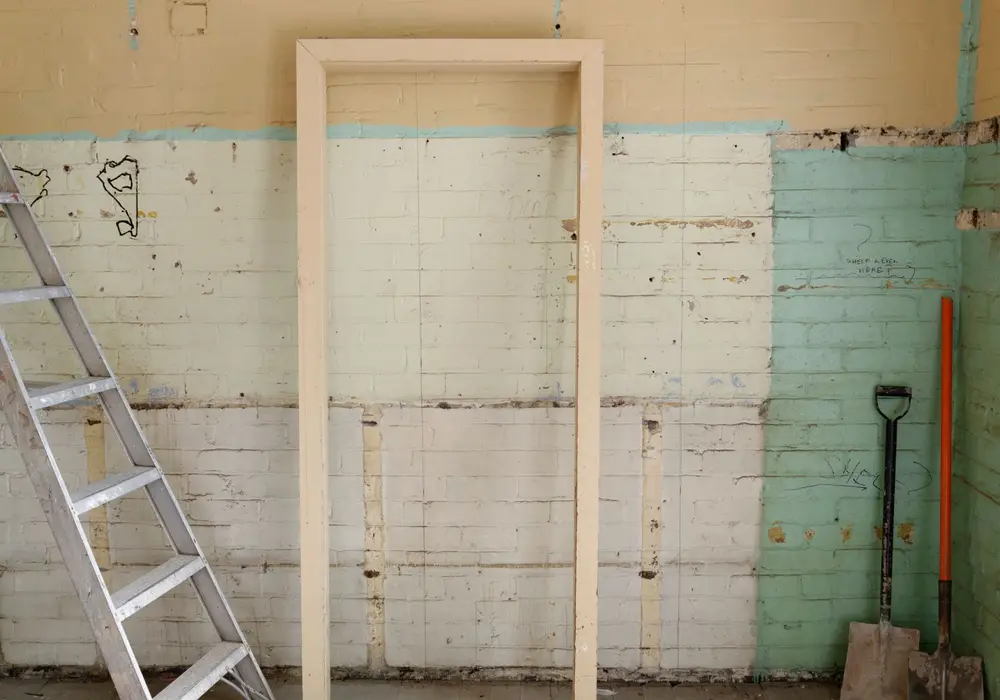 Bathroom Demolition
Bathroom demolition before a remodel: tubs, showers, mortar-set tile, vanities and toilets removed to studs and subfloor, drains protected, hidden leak damage exposed and debris hauled out.
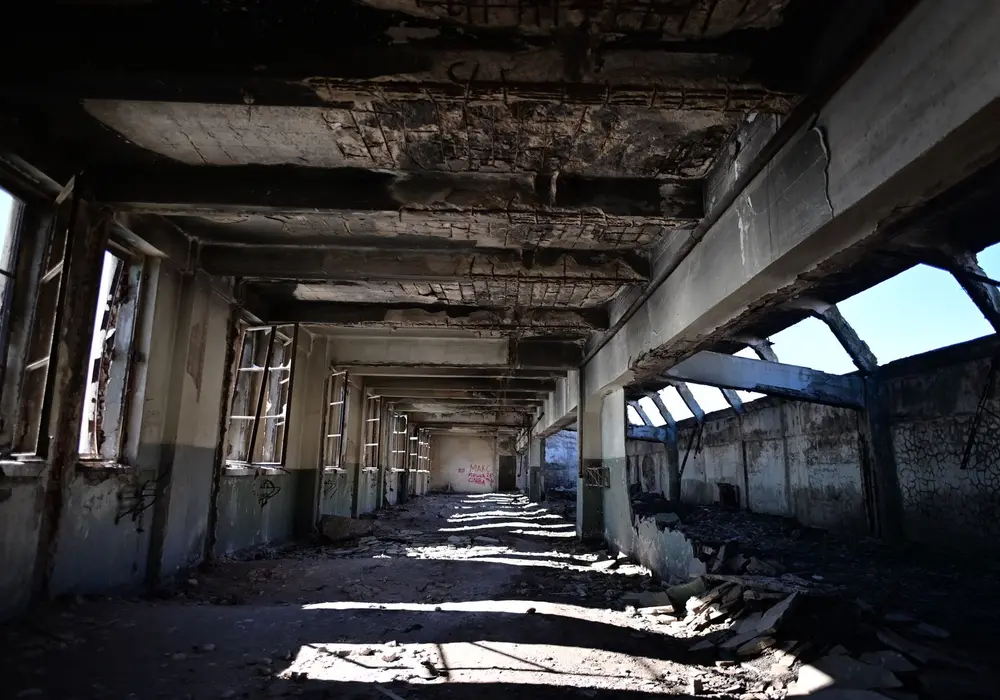 Commercial Strip-Out
Commercial strip-out of offices, retail and medical suites: partitions, ceiling grid, flooring, millwork and abandoned cabling removed to shell, with after-hours work and life-safety coordination.
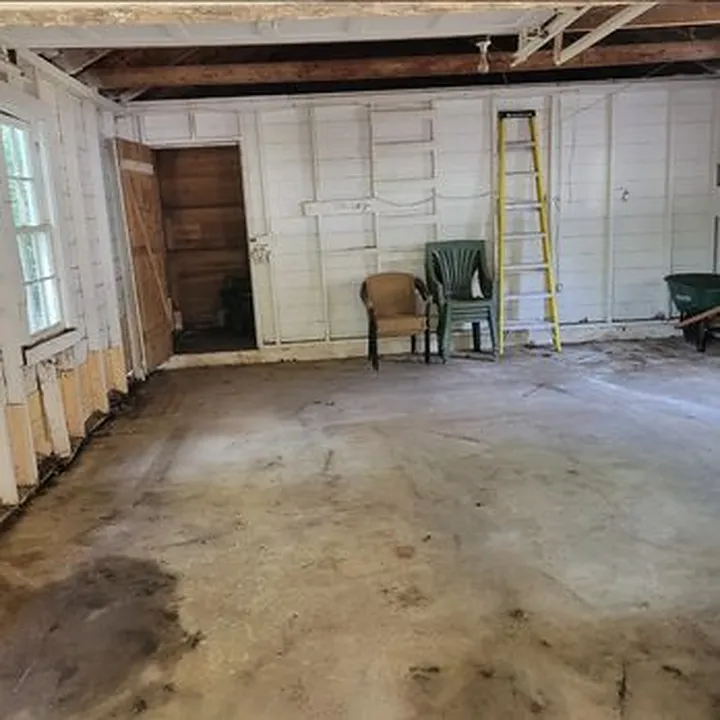 Selective Demolition
Selective demolition that removes specific building elements, such as slab sections, walls, stairs or mezzanines, using scanning, saw cutting, core drilling and shoring while the rest of the structure stays in service.
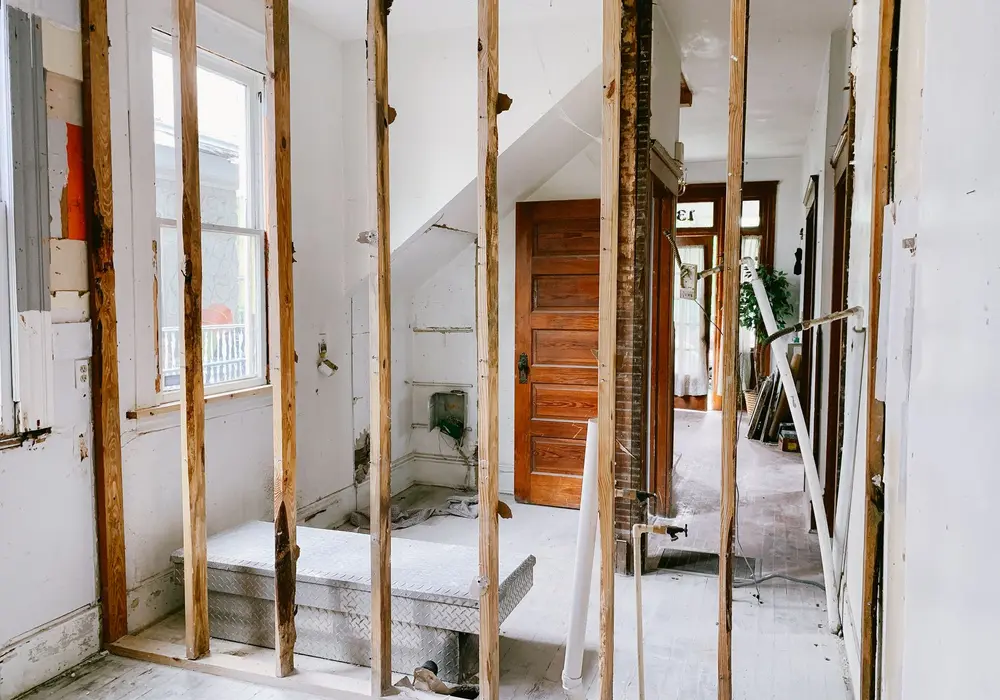 Wall Removal
Interior wall removal for open floor plans: partition walls taken out cleanly, and load-bearing or shear walls removed to an engineer's design with temporary shoring and permits in place.
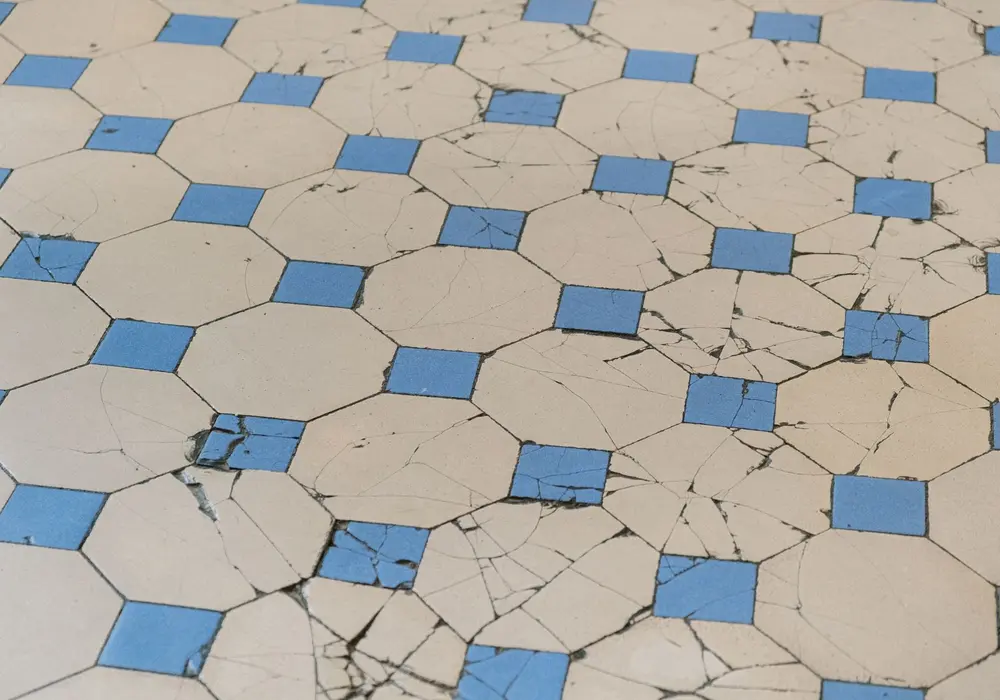 Flooring & Tile Removal
Flooring and tile removal for remodels and tenant spaces: carpet, sheet vinyl, VCT, hardwood and mortar-set tile taken up, thinset and mastic ground off, and subfloors or slabs left clean.
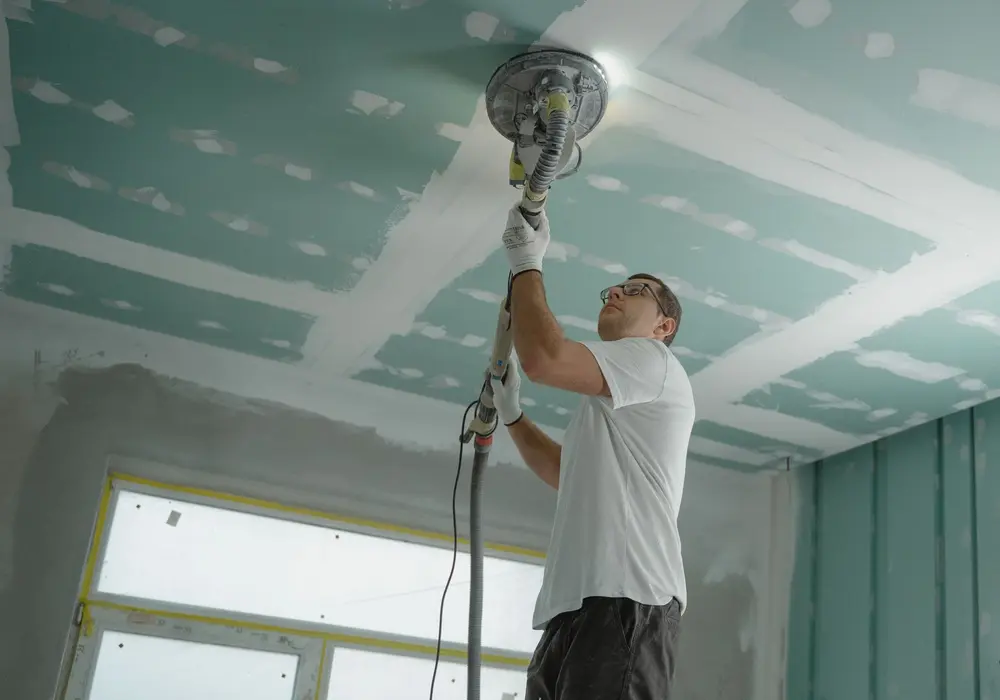 Ceiling Removal
Ceiling removal for remodels and vaulting projects: popcorn texture, lath and plaster, drywall and suspended grid ceilings taken down after testing, with containment, insulation handling and debris haul-off.
Advantage
Zip walls, negative air with HEPA filtration, sealed returns and floor protection go up before anything is removed, so dust stays in the work area and the rest of the home or building stays usable.
We line up the plumber, electrician and fire sprinkler contractor so gas, water, power and life-safety systems are shut down and capped correctly before walls and ceilings open.
Metals, clean wood, drywall, tile rubble and reusable fixtures are separated as they come out, which supports CALGreen diversion and gives you the paperwork the city asks for at closeout.
Electric breakers, battery tools and compact machines sized for doorways and elevators keep exhaust out of the building and let us work on upper floors and suspended slabs without overloading them.
Interior work happens close to people. In a single-family home it might be the family that lives there; in a condo or townhouse it is the neighbor on the other side of a shared wall; in an office tower it is every tenant who uses the same elevators and lobby. Containment is how we respect that. Plastic zip walls isolate the work area, HEPA-filtered negative air machines pull air out of it, and the HVAC returns inside it are sealed so the system does not spread dust to the rest of the building.
Noise is handled with timing. Breaking tile or a mortar bed is loud, so the heaviest work is scheduled inside the city's construction hours and inside whatever quieter window an HOA or property manager sets. Floors along the haul path get hardboard or plywood protection, door jambs get guards, and elevators get padded before the first cart rolls. We talk to building management early, because many Bay Area high-rises require reservations for freight elevators and loading docks.
CALGreen requires that at least 65% of nonhazardous construction and demolition debris be diverted from landfill, and many Bay Area cities enforce it with a waste management plan filed at permit time and a deposit or report at closeout. Interior debris is easier to recycle than most people expect, provided it is separated as it comes out instead of thrown into one bin. Metal studs, copper pipe, wiring, ductwork and appliance shells go to metal recycling. Clean dimensional lumber, drywall, cardboard packaging and concrete or tile rubble each have their own outlet.
Some materials have a second life before recycling is even considered. Solid wood cabinets, working appliances, light fixtures, doors and plumbing fixtures can go to reuse outlets if the owner wants that, which means removing them carefully rather than breaking them. Ceiling tile and carpet tile from commercial strip-outs can sometimes return to manufacturer take-back programs when the material type and condition qualify. We keep the weight tickets and receipts your permit closeout will ask for.
Two projects with the same square footage can price very differently. The material is the first factor: modern drywall over wood studs comes out quickly, while lath and plaster, mortar-set tile or glue-down flooring over concrete take more labor and produce more weight. Access is the second. A ground-floor house with a driveway for the bin is simpler than a fourth-floor condo where every load rides the elevator during set hours. Survey results matter too, since abatement adds a separate contractor and a step to the schedule.
Schedule depends on the same things plus the approvals around them. Waiting on lab results, an air district notification period, a permit or a landlord's sign-off can take longer than the demolition itself. Once cleared, a single bathroom is often a short job and a full house interior or office floor runs longer, but we give dates only after seeing the space. The list below covers what we look at during a walkthrough.
The building stock changes the work. Victorians and Edwardians in San Francisco and older Oakland neighborhoods hide horsehair plaster, old gas lines that were never removed and balloon framing with open stud bays from basement to attic. Postwar ranch tracts across the South Bay and Contra Costa County tend to have drywall but plenty of textured ceilings and layered vinyl. Eichlers in the Peninsula and South Bay have radiant heat tubing in the slab and exposed post-and-beam framing that limit how floors and walls can be opened.
Commercial interiors vary just as much. Mid-rise office floors downtown need after-hours work and freight elevator planning. Tilt-up R&D buildings in the South Bay often contain lab casework, clean room walls and raised access floors that come out after the tenant's environmental closeout. Retail and medical suites in Marin, the Tri-Valley and along the Peninsula corridor bring storefront glass, lead-lined x-ray walls and specialty plumbing that each need their own handling.
It depends on the scope and the city. Removing finishes like cabinets, flooring or tile often needs no permit on its own, but taking out walls, altering plumbing or electrical, or touching fire sprinklers in a commercial space usually does. We confirm with the local building department before work is scheduled.
Yes. BAAQMD Regulation 11 Rule 2 applies to renovation, not only full demolition, so a certified asbestos consultant surveys the materials being disturbed first. Positive results mean a separate, state-certified abatement crew clears that material first, and our work resumes after.
Often, yes, as long as the work area can be sealed off and you keep a working bathroom and kitchen alternative. We set up containment and negative air to limit dust. For whole-house gut jobs or when abatement is involved, moving out for that stage is usually more practical.
Only with a structural engineer's design and a building permit in place. The engineer sizes the beam and any new posts or footings, and we install temporary shoring before the wall comes out so the floor or roof above stays supported.
A single bathroom or kitchen is usually a short job once surveys and approvals are done, and full house interiors or office floors take longer. Survey turnaround, abatement, permits and building access rules often affect the calendar more than the demolition itself. We give a schedule after we walk the space.
Yes. Haul-off is part of the job, and the debris is sorted for recycling and reuse as it comes out. We keep weight tickets and receipts so you can document CALGreen diversion for your permit closeout.
Tell us the address, which rooms or suite are involved and when your next trade needs to start. Call or request a quote and we reply to form requests within one business day.