

Septic Tank Removal
Septic Tank Removal and Abandonment for Bay Area Rebuilds and Sewer Connections
When a house on septic is torn down, hooked up to sewer, or replaced with a new system, the old tank has to be pumped, then removed or properly filled and inspected. We coordinate the pumping and permits and handle the excavation and backfill.
Bay Area Properties Still Served by Septic Systems
Septic systems are more common in the Bay Area than most people expect. Hillside towns on the Peninsula and in the South Bay foothills, rural parts of Sonoma, Napa, Marin and Solano counties, the eastern edge of Contra Costa County, and unincorporated pockets inside otherwise sewered counties all have homes that never connected to a public line. Some older houses also sit on cesspools or seepage pits that predate modern septic design.
Septic work reaches us through three kinds of projects. A teardown on a septic lot needs the old tank and lines dealt with before grading for the new house. A property hooking up to a newly extended sewer main has to take its tank out of service. And a rebuild that needs a new septic system has to clear the old one out of the way before the new system, designed by an engineer and installed by others, goes in.
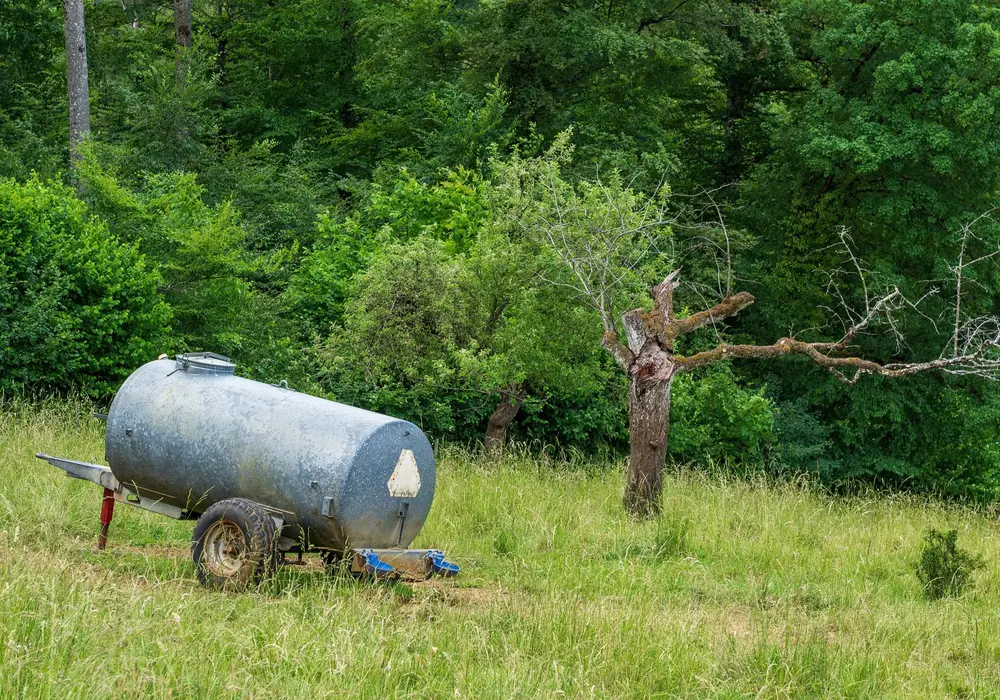
Septic Tank Removal or Abandonment in Place: Which Is Required
There are two accepted ways to retire a tank. Removal means pumping it, breaking it up, hauling the concrete, steel or fiberglass away, and backfilling the hole. Abandonment in place means pumping it, breaking or puncturing the bottom so it cannot hold water, collapsing or removing the lid, and filling the void with sand, gravel or another approved material. The local agency decides which is acceptable, and many prefer full removal where the area will be built over.
On a demolition project, location usually settles it. A tank under a new foundation footprint, driveway or pool has to come out, because a filled tank can still settle and loose material beneath a footing is a problem for the structural engineer. A tank at the far edge of a large lot, away from new improvements, may qualify for abandonment in place if the agency allows it. Leach lines and the distribution box are disconnected and either dug out or left in place, as the permit directs.
Permits and Inspections for Septic Tank Removal
Septic abandonment is overseen by the county environmental health department in most unincorporated areas and in many cities, though some city building departments handle it directly or fold it into a demolition or sewer lateral permit. Requirements vary: some agencies want a pumping receipt, others want an inspector to see the empty, broken tank before it is filled. We confirm the agency and its checklist from the parcel address and fit the septic closure into the demolition permit timeline.
When a property moves to sewer, the connection and lateral need a separate permit, usually from the city or the sanitary district, and retiring the septic system is often a condition of that connection. We coordinate both so the old system does not stay in use longer than necessary and no open excavation sits waiting for a second inspection.
How Septic Tank Removal Works on a Demolition Project, Step by Step
Locate the Septic Tank and Confirm Permits
We find the tank, lids, distribution box and leach lines from records, probing and the house sewer line, then confirm which agency oversees abandonment and whether it wants removal or allows the tank to be filled in place.
Pump the Septic Tank Before Any Excavation
A permitted septage hauler pumps the tank and any pits empty and provides a receipt. If the agency requires it, an inspector views the empty tank. Lids are marked and the area is fenced before equipment moves in.
Break Out and Remove or Fill the Septic Tank
Our excavator opens the tank from outside, breaks the lid and walls, and lifts the pieces out, or punctures the bottom and fills the tank with approved material if abandonment in place is permitted. Leach lines are handled per the permit.
Compacted Backfill and Site Grade
Clean fill goes in and is compacted in lifts so the area will not settle under a future slab or driveway. The site is brought to rough grade, and concrete and metal from the tank are sorted for recycling where facilities accept them.
Septic Tank Hazards: Gases, Collapse and Saturated Soil
A septic tank is not regulated like asbestos, but it is dangerous. Tanks hold hydrogen sulfide and methane, and both can kill in a confined space. No one on our crew enters a septic tank; all work is done from outside with equipment. Old lids and concrete tops can be cracked or thin enough to give way under a person or a machine, so we locate and mark them before any equipment moves onto the area, and we keep the open excavation fenced.
The contents are pumped by a septage hauler permitted to transport and dispose of the waste before any work on the tank begins. Soil around a failing system can be saturated with effluent, so excavated material there is handled carefully and dried or hauled as needed. Cesspools and seepage pits can be deep and unlined; they get the same pumping and inspection, and the fill plan is agreed with the agency before work starts.
How We Remove a Septic Tank During Demolition
Most septic tanks are concrete, though older systems may be steel that has rusted thin, and newer ones fiberglass or plastic. After pumping and any required inspection, our excavator exposes the tank, breaks the lid and walls into manageable pieces, and lifts them out. Clean concrete can often go to recycling with the rest of the site concrete, depending on the facility, and steel goes to a metal recycler. We then compact clean fill in lifts so the area can carry a future slab, driveway or landscaping without settling.
On hillside lots, access shapes the method. A mini excavator can reach a tank in a narrow, sloped side yard where a larger machine cannot, and spoils may need to be moved by skid steer to a staging area. Septic systems also often sit near trees protected by local ordinance, so we plan the dig around root zones and keep the arborist's protection fencing intact.
What Septic Tank Removal Costs Depend On
Cost turns on the tank's size and material, how deep it is buried, whether it is removed or abandoned in place, the number of tanks or pits on the property, access for equipment and the pumping truck, and the agency's inspection requirements. Leach fields can be simple to disconnect or a large removal job if they sit under the planned building. Pumping is usually billed by the septage hauler. We show the septic work as its own line within the demolition quote so the scope is easy to compare.
Related Hazardous Material Abatement Services
Hazardous Material Abatement
Asbestos Abatement
Lead Paint Abatement
Mold Remediation
Underground Storage Tank Removal
Pre-Demolition Hazmat Survey
Septic Tank Removal Across the San Francisco Bay Area
Do I have to remove my septic tank when I connect to the sewer?
The old system has to be taken out of service, and the agency overseeing the connection usually sets how. That may mean full removal or abandonment in place by pumping, breaking the bottom and filling the tank. We confirm the requirement before the sewer lateral work starts.
Can a septic tank stay in the ground after a house is demolished?
Only if it is properly abandoned under permit and sits away from anything new that will be built. A tank under a new foundation, driveway or pool needs to come out, because even a filled tank can settle over time.
Who pumps the septic tank before removal?
A septage hauler permitted to transport and dispose of the waste. We schedule the pumping so it happens shortly before excavation, and we keep the receipt for the inspector if the agency asks for one.
What happens to the leach field when the septic tank is removed?
The leach lines are disconnected from the tank and distribution box. Whether they are dug out or left in place depends on the permit and on whether new construction will sit over them.
How long does septic tank removal take?
The excavation and backfill on a typical residential tank are often a short part of the overall demolition. The schedule is usually set by the pumping date and the agency inspection, so we book both as early as possible.
Request a Septic Tank Removal Quote With Your Demolition
Send the property address and whether you are connecting to sewer, building a new septic system or clearing the lot. A reply to each form request goes out within one business day.
- Email: contact@sfbayareademolitioncontractor.com
- Serving all 9 Bay Area counties from San Jose