
 Asbestos Abatement
Asbestos abatement scheduled ahead of demolition: certified consultant survey, BAAQMD notification, removal by a state-certified abatement contractor, and our teardown once the air clears.

Hazmat Abatement Before Demolition
Asbestos, lead paint, mold and buried tanks have to be found and dealt with before a building comes down. We order the surveys, schedule certified abatement contractors and the inspecting agencies, then run the demolition once the site is released.
Most buildings in the Bay Area went up before anyone worried about what was in the floor tile, the wall texture or the paint. Before a machine touches them, those materials have to be identified and, where the rules call for it, removed. On our jobs that work falls into six pieces: the pre-demolition hazmat survey that starts everything, asbestos abatement, lead paint abatement, mold remediation, underground storage tank removal, and septic tank removal on properties that were never connected to a sewer line.
Few projects need all six. A 1990s tilt-up office may need a survey and a short list of ballasts and tubes pulled before strip-out. A 1920s bungalow in the East Bay hills can need asbestos and lead work and an old heating oil tank under the porch, all at once. A ranch property in Sonoma County might have a septic system, a farm fuel tank and a barn sided with cement asbestos panels. The survey tells us which pieces apply, and the schedule is built around them.
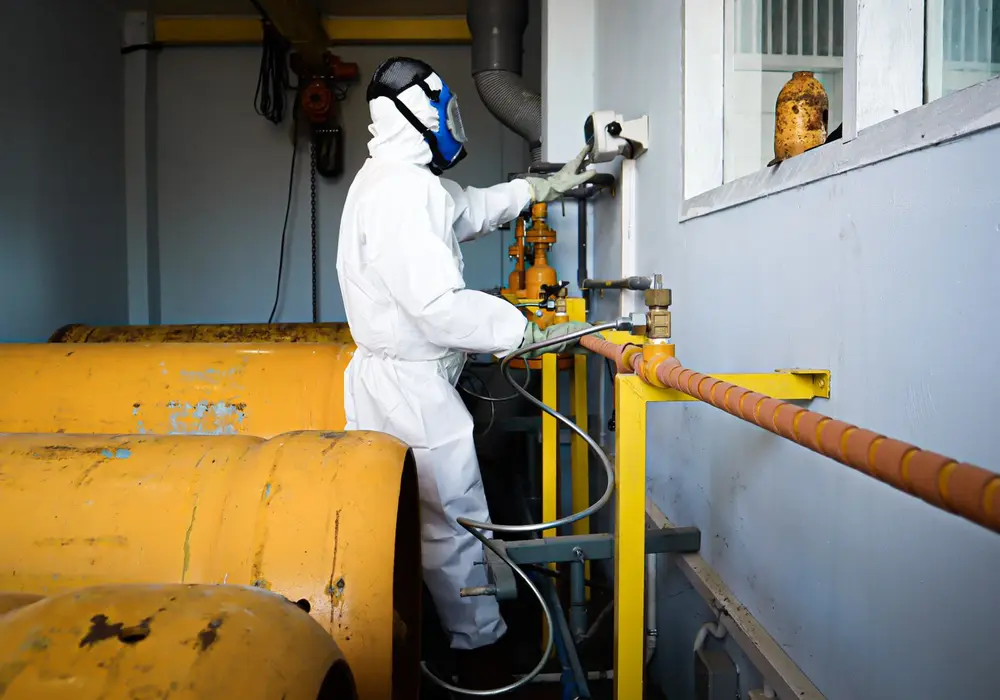
We are a demolition contractor, and we are plain about what that means here. Surveys are done by a Cal/OSHA certified asbestos consultant and, for paint, by a lead inspector or assessor holding California Department of Public Health certification. Removal is done by an abatement contractor whose workers carry the state asbestos and lead certifications. Tank closures run under a permit from the local fire department or county environmental health, whose inspector watches the pull. We do not hold abatement certifications, and we do not perform that work ourselves.
What we do is the coordination that usually falls through the cracks. We get the consultant on site early, pass the survey to the abatement contractor, line up the air district notification, book the inspector for a tank pull, and make sure power, water and access are ready for each trade. Our crew handles the parts that are demolition: cutting slabs over tanks, removing clean structure, hauling, sorting and backfilling. One calendar covers everyone, so a clearance result on Tuesday can mean our excavator starts Wednesday.
Across most of the region, asbestos in demolition and renovation is governed by the Bay Area Air Quality Management District under Regulation 11, Rule 2. Before a building is demolished, the owner or contractor needs an asbestos survey by a certified asbestos consultant and must notify the air district ahead of the work, even when the survey finds no asbestos. Regulated asbestos has to come out before demolition starts. Many city building departments want proof of that notification before they release a demolition permit.
The air district covers seven counties fully plus southern Sonoma and southwestern Solano. Projects in northern Sonoma County or eastern Solano County fall under a different local air district with its own asbestos notification process, and we confirm which agency applies from the parcel address. Cal/OSHA adds worker rules on top: its construction standards for asbestos and lead set exposure limits, air monitoring, respirator and training requirements. Disturbing paint in pre-1978 housing during a remodel or partial demolition may also trigger the federal EPA Renovation, Repair and Painting (RRP) rule.
Order matters more than speed. If abatement starts before anyone plans temporary power, the abatement crew may have nothing to run its negative air machines on. If demolition starts before clearance, the air district can stop the job. Our sequence on a typical structure looks like the list below, adjusted for what the survey found and for whatever the city puts on its permit checklist.
Some jobs run in parallel. On a large commercial strip-out, abatement can work one floor while our crew removes clean finishes on another, provided the areas are isolated and the consultant agrees. On a house, the work is nearly always sequential: abatement first, then the teardown. We decide which approach is safe from the survey results, not from the calendar.
Hazardous Material Abatement
Asbestos AbatementAsbestos abatement scheduled ahead of demolition: certified consultant survey, BAAQMD notification, removal by a state-certified abatement contractor, and our teardown once the air clears.
 Lead Paint Abatement
Lead paint testing, abatement by state-certified lead workers, and lead-safe demolition practices for pre-1978 homes and buildings, scheduled around your Bay Area demolition and rebuild.
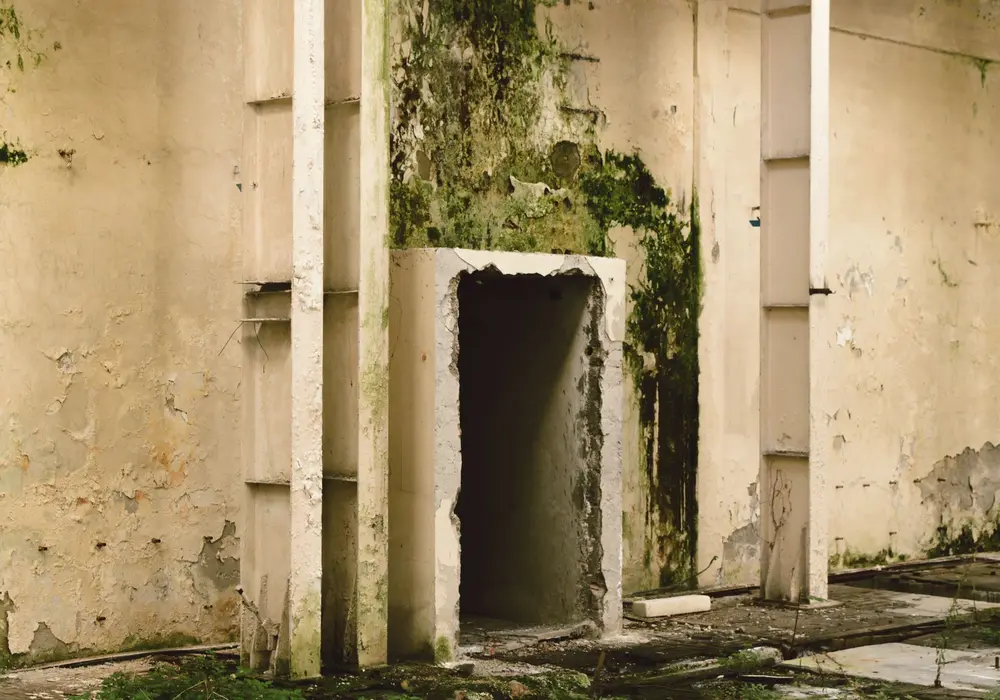 Mold Remediation
Mold remediation scheduled with selective demolition or a full teardown: moisture assessment, containment by a remediation contractor, removal of damaged materials and clearance before rebuilding.
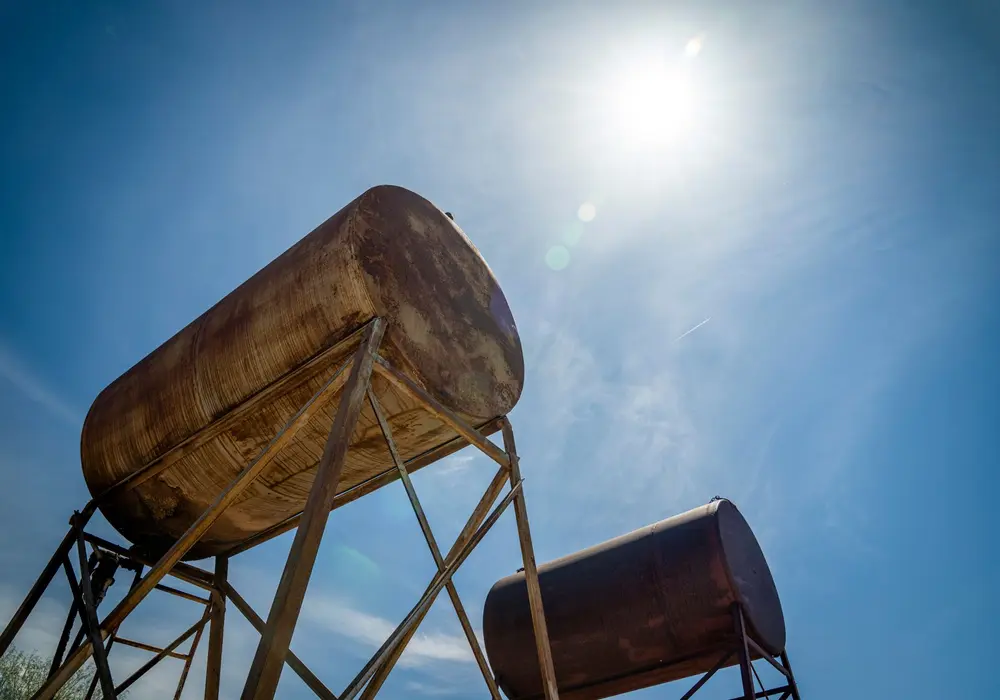 Underground Storage Tank Removal
Buried heating oil and fuel tank removal coordinated with demolition: locating, permits through fire or environmental health, a tank pull by a certified contractor, soil sampling and backfill.
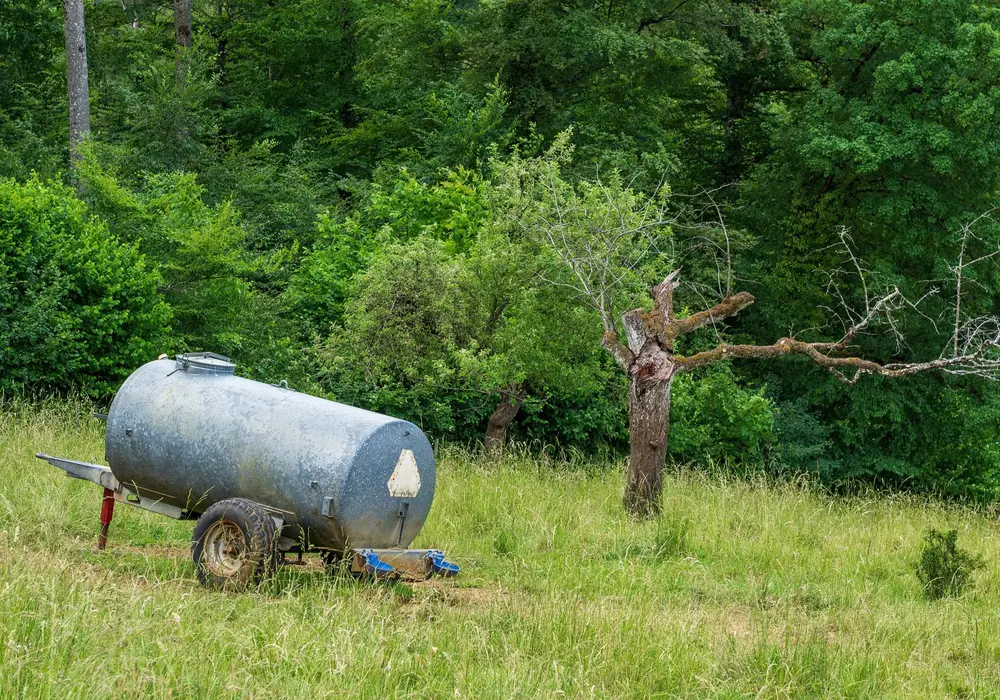 Septic Tank Removal
Septic tank removal or abandonment in place for teardowns, sewer conversions and new systems: pumping by a septage hauler, permit and inspection, excavation, breaking out the tank and compacted backfill.
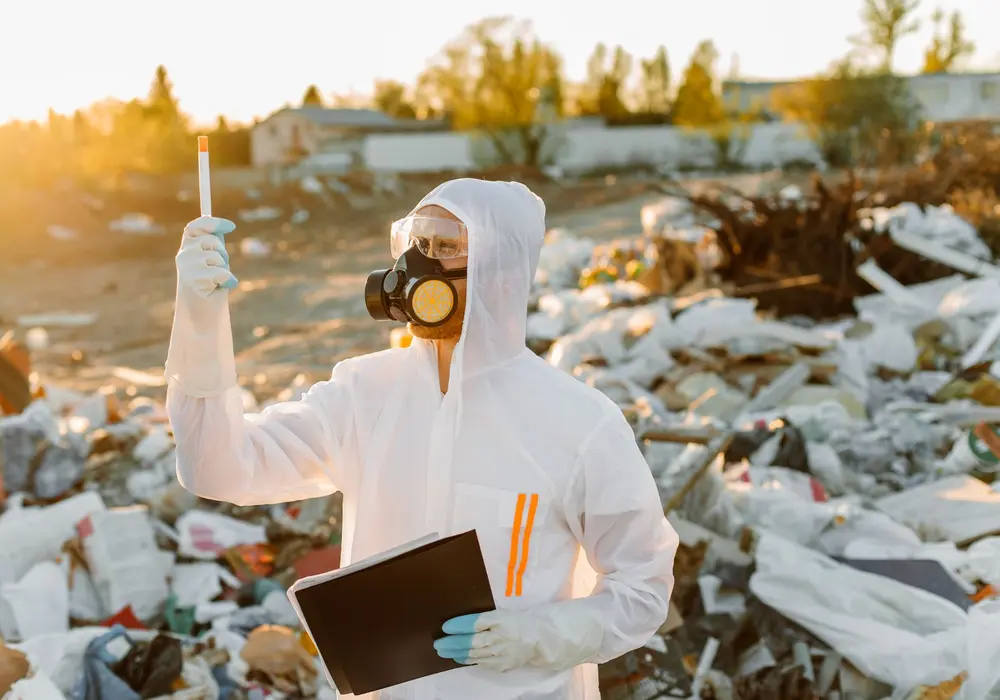 Pre-Demolition Hazmat Survey
Pre-demolition hazmat surveys arranged with certified consultants: asbestos, lead paint, PCBs, mercury, refrigerants and stored chemicals identified before the air district notice, permits and demolition.
Advantage
We push for the asbestos and lead survey in the first week, so abatement quantities are real numbers in the quote and the air district notice never becomes the item holding up your demolition permit.
Consultant visits, abatement start dates, tank inspections and our excavator sit on one calendar we manage, so clearance on one day can mean structural demolition the next instead of a week of phone calls.
Bagged asbestos, tank rinse water and tested paint debris travel on their own paperwork. Concrete, metal and clean wood stay in separate piles, protecting the CALGreen diversion rate and avoiding rejected loads.
Adjacent owners and tenants hear from us before abatement starts: what is being removed, on which days, and who to call with a concern. Questions about the work get a straight answer.
Abatement pricing comes from the abatement contractor and the consultant. We either carry it inside a coordinated demolition quote or let the owner contract with them directly. Either way, the same factors move the number. Quantity comes first: square feet of flooring, linear feet of pipe insulation, the area of textured ceiling. Type is second, since friable material that crumbles in the hand needs heavier containment than intact floor tile. Access, attached neighbors, layers of old flooring and the disposal class of the waste follow.
Tanks and septic systems carry their own variables. A small heating oil tank in an open side yard is a short job; the same tank under a slab or a porch means cutting and shoring. Contaminated soil found under a tank adds sampling, hauling and agency oversight. Because these unknowns are real, our quotes show abatement items as separate lines with stated assumptions, so the owner can see exactly which line moves if the survey or the lab reports something new.
The biggest schedule risk on a hazmat job is time nobody planned for. Bulk asbestos sample results usually come back within days, and rush service is available at extra cost. The air district notice has to be filed a set number of working days before demolition, so a late survey pushes every later date. Abatement on a typical house may take a few days; a commercial building with long runs of pipe lagging takes longer. Clearance air testing must pass before containment comes down.
Tank work adds its own waits: permit review, an inspector appointment for the pull, and soil results before the hole can be filled. Septic closures depend on the pumping date and an inspection. The most common surprise is a material the survey could not reach, such as flooring buried under newer layers or insulation inside a sealed chase. When that happens, our crew stops in that area, the consultant samples, and work resumes once the result is known. We tell owners about this possibility up front.
CALGreen requires at least 65 percent of nonhazardous construction and demolition debris to be diverted from landfill, and many Bay Area cities collect a deposit or require a waste management plan to prove it. Hazardous materials sit outside that count, which is exactly why they have to come out first. Asbestos waste is bagged, labeled and shipped by the abatement contractor with a waste shipment record. Tank contents and rinse water travel on a hazardous waste manifest. None of it belongs in a concrete or metal recycling pile.
Once the building is clean, the recycling math improves. Concrete, steel, copper and clean lumber can go to recyclers instead of disposal. Painted wood is a harder call: depending on lead content and the facility, it may be refused as clean wood, so the paint results help us decide where it goes. Keeping hazardous material apart from recyclable debris protects the diversion rate and keeps a truck from being turned away at the gate.
Abatement is controlled demolition on a small scale. The abatement contractor builds containment from plastic sheeting, runs negative air machines with HEPA filters, keeps materials wet, and monitors the air inside and outside the work area. Workers wear respirators and disposable suits and decontaminate before leaving. Our job is to keep the rest of the site from undoing that work: no one opens a contained area early, no machine works next to it, and debris from clean areas never mixes with bagged waste.
Neighbors matter most on dense lots. A row house in San Francisco shares walls, a duplex in Oakland may have tenants next door, and a school or daycare across the street changes how carefully lead dust has to be managed. We notify adjacent owners before containment goes up, confirm the required warning signs are posted, keep gates locked, and wet down the site during demolition. If a neighbor asks what is being removed, we answer or connect them with the consultant.
Yes. Within the Bay Area air district's jurisdiction, Regulation 11 Rule 2 requires an asbestos survey by a certified consultant before demolition, and the district must be notified before the building comes down. Parts of the region served by a different air district have comparable requirements under their own rules. We arrange the survey and the notice as part of the demolition plan.
No. Surveys are done by certified consultants, and abatement by a contractor whose workers hold the state asbestos and lead certifications. We schedule and coordinate that work, prepare the site for it, and run the demolition around it so the owner deals with one timeline instead of several.
Generally, yes. The air district's survey requirement is not limited to older buildings, and some asbestos-containing products stayed on the market well after the 1970s. Newer buildings usually produce short reports, but the survey still has to happen before demolition.
On larger buildings, sometimes. Abatement can proceed in one isolated area while clean demolition happens elsewhere, if the consultant agrees and the areas are physically separated. On houses and small buildings, abatement is finished and cleared before structural demolition begins.
Work stops in that area. For a suspect material, the consultant samples it and the abatement contractor removes anything that tests positive before demolition continues there. For a tank, the fire department or county environmental health agency is contacted for a permit and inspection before it is pulled.
Not in the same regulatory sense as asbestos or lead, but both carry real health risks and follow their own procedures. Mold work follows a consultant's remediation protocol, and septic tanks are pumped by a septage hauler and closed under a local permit. We fold both into the hazmat plan so nothing is missed.
Request a quote with the address, the building's approximate age and any survey you already have. We answer each form request within one business day and can line up the consultant visit from there.