

Deconstruction & Salvage
Deconstruction and Building Material Salvage Across the Bay Area
Deconstruction unbuilds a house, last-installed pieces first, so old-growth framing, hardwood floors, doors, fixtures and brick come out intact instead of going into a dumpster as mixed debris.
Deconstruction vs. Demolition: What's the Difference?
Mechanical demolition is designed for speed. An excavator crushes the structure, and the pile is sorted afterward for recycling. Deconstruction runs the other way. Crews remove the building layer by layer: fixtures and trim, then doors and windows, flooring, roofing, sheathing, and finally the framing, one piece at a time. Each piece is handled, denailed and stacked, so it leaves the site as a usable material rather than as debris.
Many projects use a mix of the two. A common approach is to salvage the valuable interior and exterior materials by hand, then bring in a machine for the remaining framing and foundation. A full deconstruction makes the most sense when the structure itself, especially the lumber, has real reuse value or when the city's rules favor it.
Which Bay Area Buildings Are Worth Deconstructing?
Age and species matter most. Pre-war bungalows, Craftsman houses and Victorians across Berkeley, Oakland, San Francisco and the older parts of the Peninsula were often framed with old-growth redwood and Douglas fir that is denser and straighter than lumber sold today. Clear redwood siding, fir and oak floors, paneled doors, wavy-glass windows, clawfoot tubs, built-in cabinets and common brick from chimneys all have buyers or reuse value.
Mid-century houses can be worthwhile too. Eichlers and other post-and-beam homes have long fir beams and sometimes mahogany paneling. By contrast, a 1970s tract house with particleboard, vinyl and engineered trusses offers less to recover, and selective salvage of cabinets and fixtures before machine demolition is usually the better choice. We walk the house with you and point out what is worth taking.
- Old-growth redwood and Douglas fir framing
- Hardwood flooring, wainscot and trim
- Doors, windows and hardware
- Clawfoot tubs, sinks and lighting
- Brick, stone and roof tile
Local Deconstruction Rules and Diversion Requirements
A few Bay Area cities now require deconstruction or strict source separation of materials when a whole building is removed, and others promote it as a way to meet their waste goals. The rules change, so we check the current requirements with the building department and the city's environmental services staff before the permit is filed. CALGreen sets the baseline: 65 percent or more of nonhazardous C&D material diverted from the landfill, documented in a waste management plan. Deconstruction routinely clears that line by a wide margin.
Salvage does not skip the hazard steps. A certified asbestos consultant still inspects the house and BAAQMD still gets its Regulation 11 Rule 2 notice before the first board comes off, and any asbestos found is removed first by a state-certified abatement contractor we coordinate. Older painted wood is tested for lead so it can be handled and labeled correctly.
How Deconstruction and Salvage Works, Step by Step
Salvage Walkthrough and Material Inventory
We tour the building with you, list what is worth recovering and where it should go, and decide whether full deconstruction or a salvage-then-demolish hybrid fits your schedule and budget.
Hazard Surveys, Abatement and Permits
The asbestos survey and lead testing come first, followed by abatement by a state-certified contractor, utility disconnects, the waste management plan and the demolition permit with any deconstruction conditions the city sets.
Hand Deconstruction From the Roof Down
Fixtures and finishes come out first, then roofing, sheathing and framing, working from the roof toward the foundation. Each piece is lowered rather than dropped so edges and joinery survive.
Denail, Sort and Deliver Salvage
Lumber is denailed and bundled, fixtures are tagged, and loads go to you, a dealer or a reuse store. Leftover debris is recycled, and the foundation is removed by machine if the plans call for it.
How Salvaged Materials Are Sorted, Stored and Reused
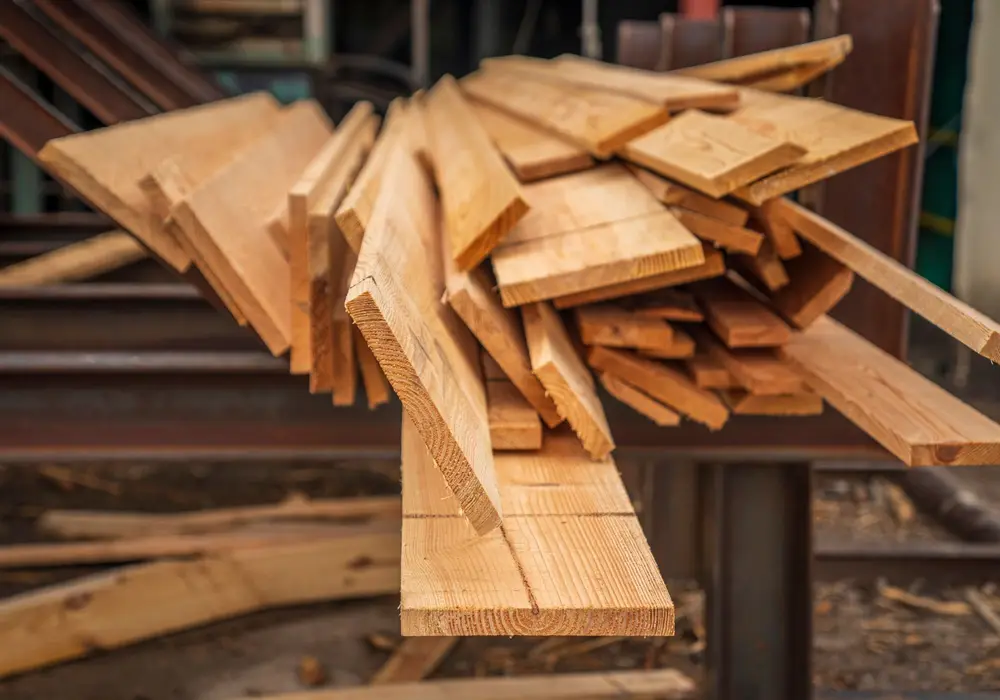
Every board that leaves the site is denailed, sorted by species and length, and bundled on pallets or dunnage. Fixtures and doors are tagged with the room they came from, which matters if you plan to reuse them in the new house. Materials can follow three paths: back into your own project, sold to a reclaimed materials dealer, or donated to a nonprofit reuse store. Owners who donate should check the tax treatment with their own tax adviser; we provide the inventory that a donation receipt is based on.
Reused framing lumber in a new structure may need grading or approval from the building inspector, so talk with your designer early if you plan to use reclaimed lumber structurally. Painted pieces that test positive for lead are kept separate from clean wood, and treated lumber never goes into the salvage stacks.
Deconstruction Cost and Timeline Compared With Machine Demolition
Deconstruction trades machine hours for labor hours. A house that an excavator could level in a day or two may take a deconstruction crew several weeks, depending on its size and how much is recovered. That labor is the main cost. Offsets come from lower disposal fees, the resale value of salvage, materials kept for the new build, and in some cities, easier compliance with diversion rules.
The best way to decide is to compare. We can price a full deconstruction, a hybrid of hand salvage followed by machine demolition, and a conventional teardown with standard recycling side by side. Bear in mind that a longer schedule affects other costs, such as rent while you wait to rebuild, which belong in the comparison as well.
Related Specialty Demolition Services
Specialty Demolition
Emergency Demolition
Soft-Story Retrofit Demolition
Barn & Agricultural Demolition
Dock & Pier Demolition
Tank & Silo Demolition
Deconstruction & Salvage Across the San Francisco Bay Area
Is deconstruction required to get a demolition permit?
In most Bay Area cities it is optional, but a few require deconstruction or detailed material separation for whole-building removal. We check the current rule for your city before the permit application goes in.
Can I keep the salvaged lumber for my new house?
Yes. We stack and cover it on site or deliver it where you want it. If you plan to use it as structural framing, ask your designer and building inspector whether it needs grading first.
Can you salvage only some materials and demolish the rest by machine?
That hybrid approach is the most common choice. We remove floors, doors, fixtures and other valuable items by hand, then demolish the remaining structure with an excavator and recycle the rest.
What happens to materials that nobody wants?
They go through standard recycling: clean wood to processors, metal to scrap, concrete and brick to crushing. Only what cannot be recycled goes to landfill, and the weight tickets support your diversion report.
Get a Deconstruction and Salvage Quote
Call (510) 826-3578 or request a quote with the address, the age of the building and the materials you hope to save. We reply to form requests within one business day.
- Email: contact@sfbayareademolitioncontractor.com
- Serving all 9 Bay Area counties from San Jose