
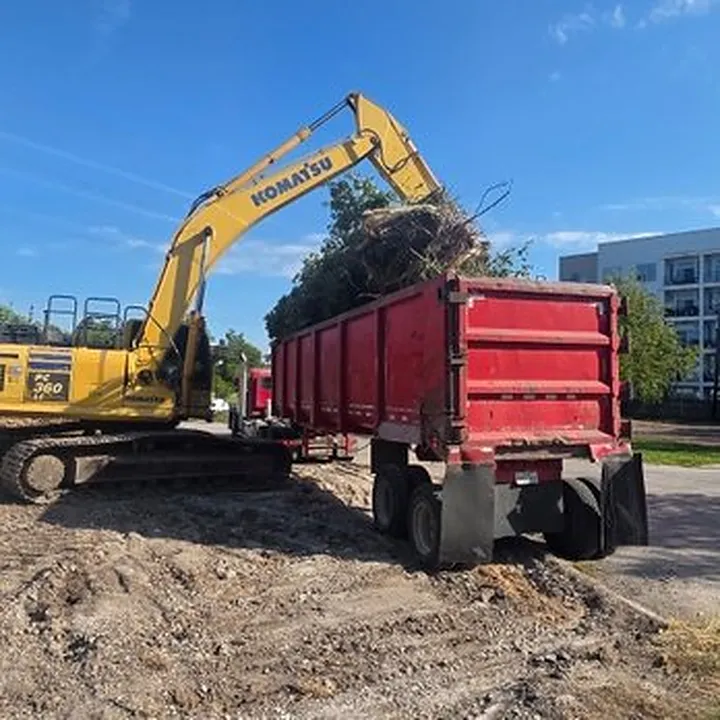
 Land Clearing
Clearing raw and overgrown land across the Bay Area: brush mulching, root grubbing, old fence and junk removal, with erosion control and creek setbacks planned in.

Bay Area site clearing
Before anything gets built, the ground has to be emptied, sorted and shaped. Our crews strip vegetation, stumps, rubble and leftover structures from Bay Area parcels, haul off what comes out, and leave a graded surface the next trade can start on.
Site clearing is everything between a messy parcel and a usable one. On some jobs that means land clearing on acreage that has not been touched in decades: coyote brush, poison oak, volunteer trees and old fence lines. On others it is lot clearing for new construction, where a house has just come down and the builder needs the footings, slab pieces and abandoned pipes gone before the surveyor shows up. Plenty of projects fall somewhere in the middle, like a backyard being emptied for an ADU.
The category also includes the work that shapes and empties the ground afterward. Excavation and grading cuts high spots, fills low ones and compacts the pad to the soils engineer's spec. Tree and stump removal takes out permitted trees and their root balls. Debris hauling moves the sorted loads to recyclers and transfer stations. Construction cleanup keeps an active job site clear of scrap between trades. Brush and defensible space clearing thins fuel around hillside homes before fire season. Each one has its own page, and many jobs use three or four of them together.
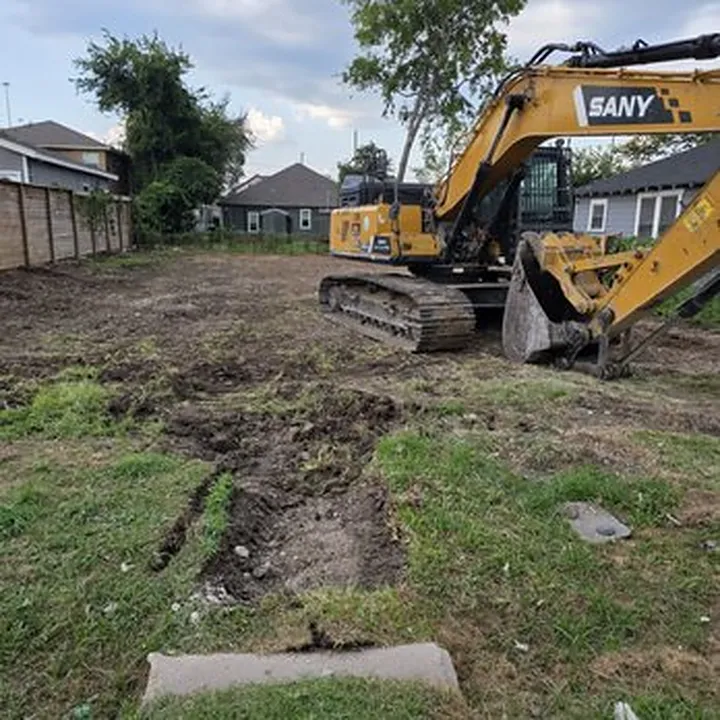
The machine has to fit the gate before it can do any good. On open parcels in east Contra Costa or the hills above Napa, a full-size excavator with a hydraulic thumb grabs logs, stumps and broken concrete and sets them straight into a truck. A skid steer or compact track loader with a grapple bucket does the sweeping work: pushing brush into piles, loading bins and spreading base rock. A mulching head on a track loader can turn a hillside of brush into a layer of chips that stays put and holds soil.
Infill lots in older neighborhoods of San Francisco, Berkeley or Palo Alto rarely have that kind of room. There a mini excavator that squeezes through a side yard, a walk-behind stump grinder and a crew with chainsaws and wheelbarrows take over. A hydraulic breaker on the same mini excavator handles buried concrete. We size the equipment after the site walk, not before, because the wrong machine either cannot get in or tears up a driveway on the way.
Order matters more than speed on a clearing job. The first visit is a walk with the owner or builder to flag what stays: protected trees, neighbor fences, wells, survey monuments and anything the plans show as existing to remain. Next comes the 811 call so public utilities mark their lines, and a separate look for private lines the call does not cover, like irrigation, outbuilding power and old septic laterals. Tree protection fencing and erosion control go in before the first machine starts.
Then the work runs top down. Any remaining structures are surveyed and removed first. Vegetation comes off next, followed by stumps and root balls. Buried material, from old footings to dumped rubble, is dug out and sorted. Once the ground is clean, grading shapes it, compaction locks it in, and the last loads leave the site. A final walk with the client confirms the parcel matches what the next contractor expects to find.
Clearing bare land can need as many approvals as tearing down a building. Moving enough dirt, cutting into a slope or changing how water reaches a creek usually pulls a project into the local grading code, and each city or county draws that line at a different number of cubic yards. Tree removal permits are common for oaks, redwoods and larger trunks. Anything close to a creek bank may also involve state wildlife officials or the water district, and clearing during nesting season often requires a biologist's survey first.
The air district matters too. If the parcel still has a shed, barn or house on it, BAAQMD Regulation 11 Rule 2 calls for an asbestos survey by a certified asbestos consultant and notification to the district before the structure is demolished. Parts of the Bay Area hills contain serpentine rock, which can carry naturally occurring asbestos, and grading in those mapped areas may need a dust mitigation plan. We check these conditions during planning so a permit question does not stop the crew halfway through.
Site Clearing
Land ClearingClearing raw and overgrown land across the Bay Area: brush mulching, root grubbing, old fence and junk removal, with erosion control and creek setbacks planned in.
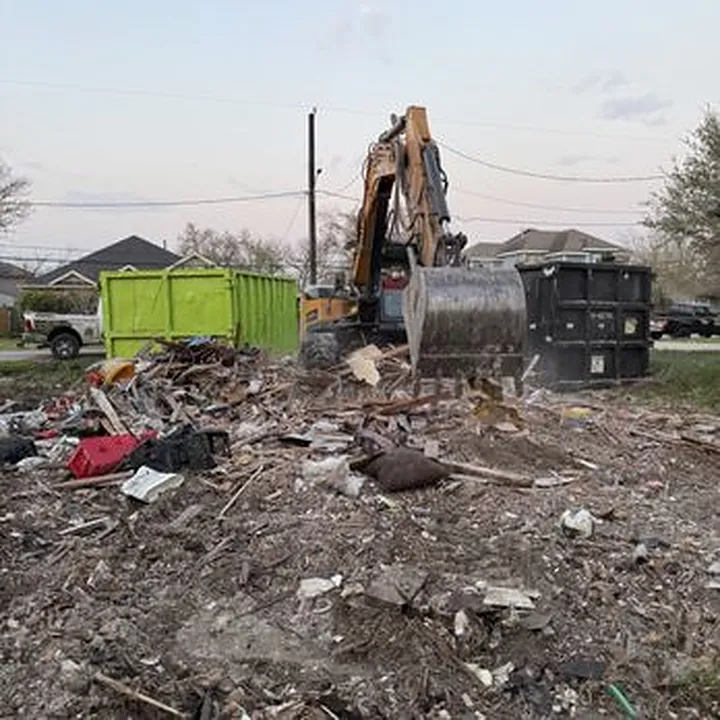 Lot Clearing for New Construction
Preparing Bay Area teardown, infill and ADU lots for building: old footings, laterals and hardscape removed, construction entrance and erosion control set, pad rough graded for layout.
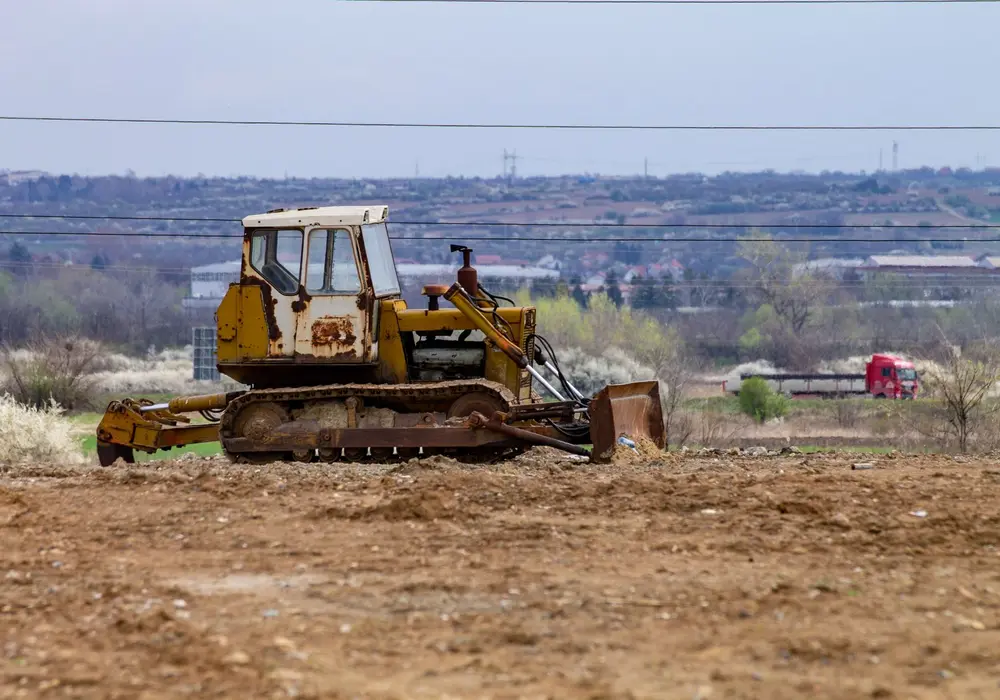 Excavation & Grading
Bay Area earthwork to plan: cut and fill, overexcavation and recompaction of expansive clay, hillside benching, drainage grades and compaction testing coordinated with your soils engineer.
 Tree & Stump Removal
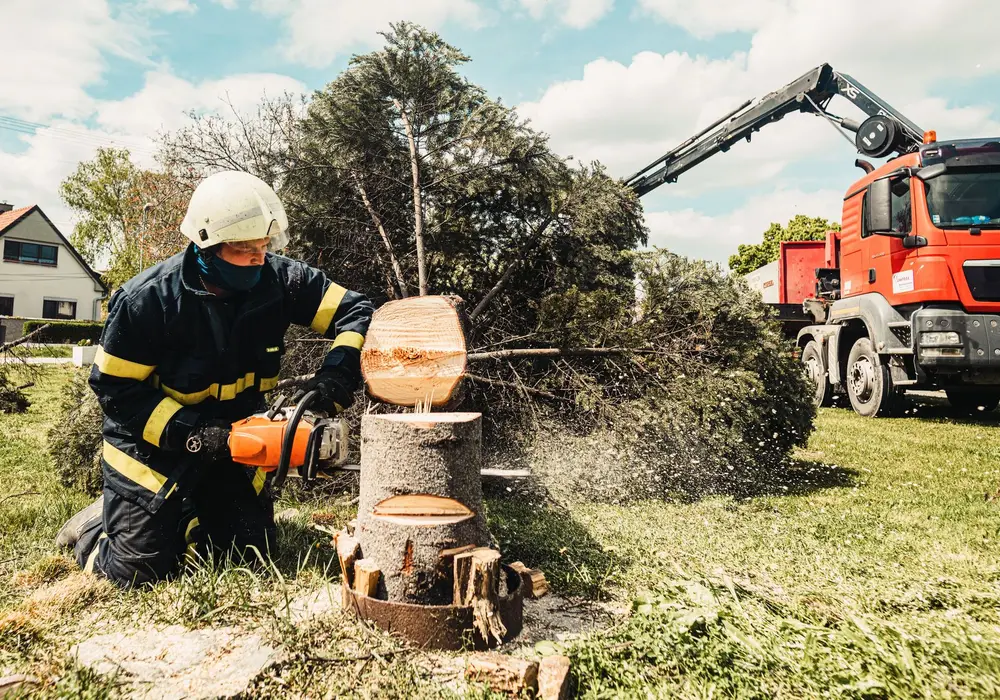
Removing permitted trees and stumps on Bay Area construction sites: sectional takedowns near structures, stump grinding or full root excavation, compacted backfill and protection for retained trees.
 Debris Hauling
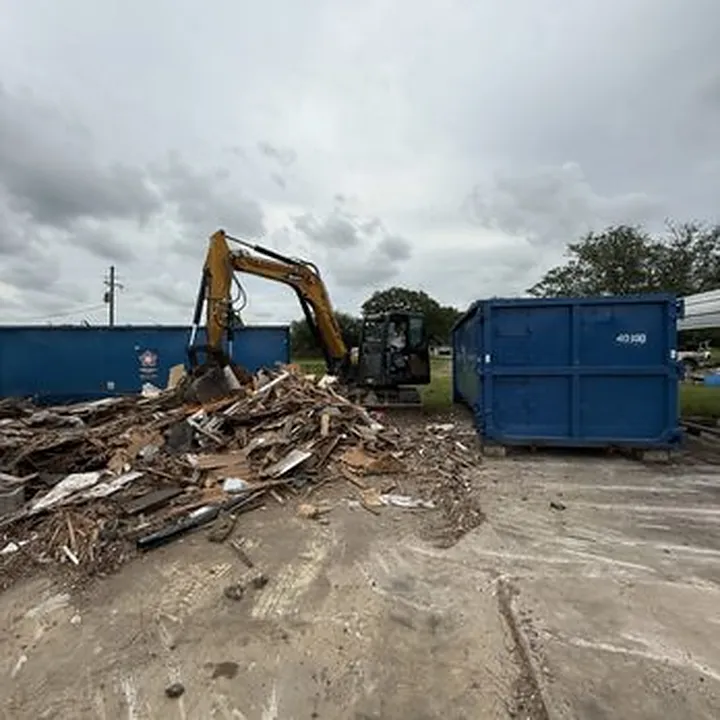
Hauling concrete, wood, metal, soil, green waste and mixed debris from Bay Area job sites, sorted by material for recycling, with weight tickets for CALGreen diversion reports.
 Construction Cleanup
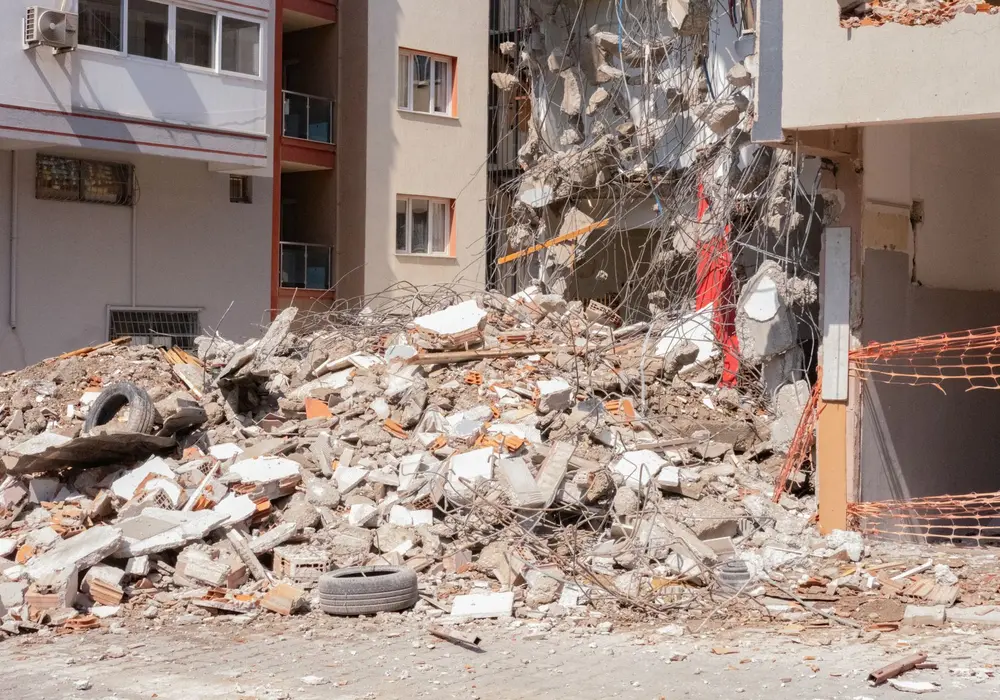
Heavy construction cleanup for Bay Area projects: scrap cleared between trades, track-out and drain protection maintained, buried debris pulled from yards and the lot readied for landscaping.
 Brush & Defensible Space Clearing
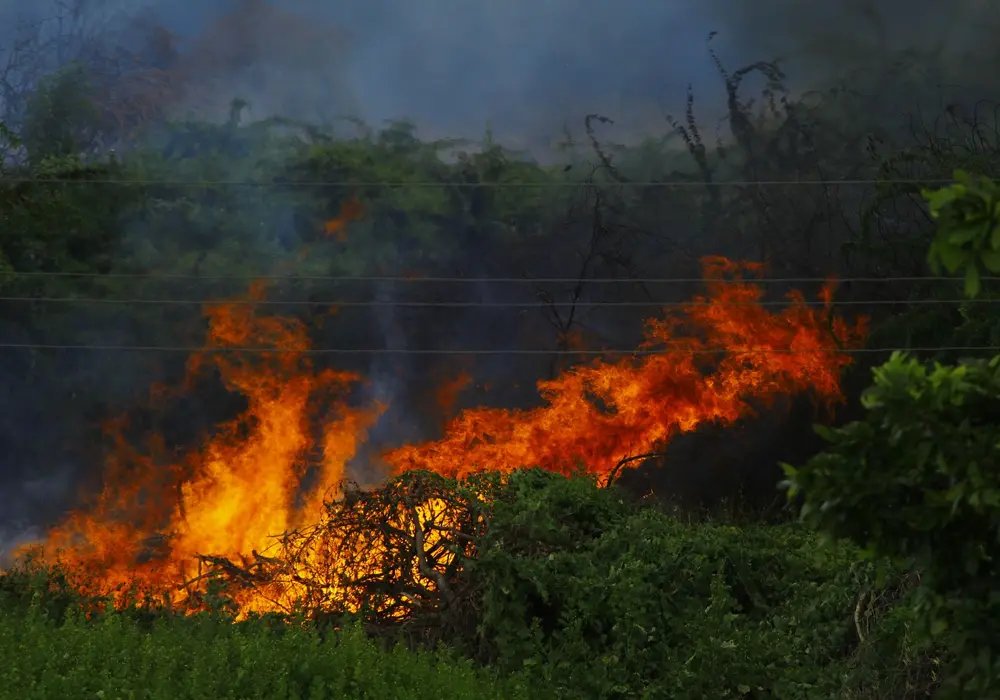
Fire-season brush clearing around Bay Area hillside homes: ladder fuels cut, brush thinned by zone, dead growth chipped or hauled, with slopes left rooted and stable.
Advantage
The people who pull the stumps also shape and compact the pad. There is no gap between a clearing contractor leaving and a grading contractor arriving, and nobody argues over who left the root ball behind.
Wood, rock, metal and soil go into separate piles or bins as the work happens. That keeps recycling rates high, tipping costs lower and diversion paperwork ready for the city when the project closes.
Mini excavators, walk-behind grinders and hand crews reach backyards that big machines cannot. We plan access around side yards, fences and driveways so the property outside the work area stays undamaged.
Adjacent households hear from us before trucks and excavators arrive. We tell them the expected working hours, where trucks will park and who to call if dust or noise becomes a problem.
Very little that comes off a cleared site has to be buried in a landfill. Brush, limbs and trunks become compost feedstock, mulch or biomass fuel. Concrete and asphalt go to crushing yards and come back as base rock. Fence wire, pipe and old machinery parts go to metal recyclers. Clean soil can often stay on site as fill or be exported to another project, though imported or exported dirt may need testing first so nobody moves a contamination problem down the road.
Sorting happens at the source, not at the end. Crews keep separate piles or bins for wood, rock, metal and mixed debris as they work, which is far cheaper than picking through a combined heap later. Where a project falls under CALGreen, a minimum of 65 percent (by weight or volume) of the job's nonhazardous C&D material must be kept out of the landfill, and many cities ask for a waste management plan and a deposit up front. We keep the weight tickets and recycling receipts so that paperwork closes cleanly.
Two parcels of the same size can price very differently. Density of growth is the first factor: open grass mows down fast, while a thicket of acacia and blackberry takes days. Access is next, since hand-carrying debris through a side gate costs more than loading a truck parked on the lot. Slope adds time and safety measures. The number and size of stumps, and whether they need grinding or full excavation, can swing a price on its own.
What sits under the surface is the hardest part to predict. Old foundations, rubble fill, abandoned septic tanks and buried trash all add digging and disposal. Haul distance and the mix of materials change trucking and tipping costs. Permits, erosion control measures, biological surveys and seasonal limits on grading also shape the number. A site walk usually answers most of these questions, which is why we quote after seeing the ground.
Schedule depends more on paperwork and weather than on machine hours. A flat lot with brush and a few stumps can clear in a day or two once permits are in hand. A wooded hillside that needs a grading permit, a nesting bird survey and erosion control can take weeks before the first cut. Many local grading codes restrict earthwork during the wet months, roughly October through April, so planning clearing for the dry season saves trouble.
Dry season brings its own risk. Steel blades striking rock can throw sparks into dry grass, so crews carry extinguishers, wet down work areas and stop on red flag days. Dust is controlled with water during cutting and loading, and trucks are kept from tracking mud onto the street. Neighbors get notice before heavy equipment arrives, work stays within local construction hours, and haul routes avoid school drop-off times where we can.
It depends on what is being removed and how much soil moves. Mowing and brush cutting usually need nothing, while removing protected trees, grading past the local threshold, or working near a creek typically does. We review the parcel and tell you which approvals apply before work is scheduled.
Yes. Structures are handled first, starting with the asbestos survey BAAQMD requires before demolition and the district notification. If the survey finds asbestos or lead, a certified abatement contractor removes it before or alongside our demolition, and we coordinate that schedule.
Green waste goes to compost and mulch facilities, concrete and asphalt go to crushing yards, and metal goes to recyclers. Clean soil may stay on the lot as fill or move to another project after any testing it needs. We keep weight tickets for diversion reporting.
Light clearing often can, but many grading permits limit earthwork between fall and spring, and wet clay soil turns into a mess under tracks. If winter work is necessary, we plan erosion control, stabilized entrances and covered stockpiles to keep sediment out of storm drains.
We dig out what turns up during clearing and grading, such as old footings, slab pieces, rubble and abandoned pipe. If we uncover something that looks like a fuel tank, septic tank or stained soil, work stops in that area and the right agency or specialist is brought in.
Start dates depend on permits, nesting season surveys and the current schedule. Call or send the quote form; expect an answer by the next business day, and from there we book a walk of the parcel and talk through timing.
Tell us where the parcel is, what is on it and what comes next. Phone us or use the quote form, and we will set up a walk of the site.