

Construction debris hauling
Debris Hauling for Bay Area Demolition, Remodel and Site Clearing Jobs
Debris is easier to pay for when it leaves in the right piles. Our crews load and haul construction, demolition and clearing debris from Bay Area jobs, separate it by material for recycling, and keep the weight tickets your city wants to see.
What Construction Debris Hauling Includes
Most hauling requests fall into a few groups. Demolition jobs produce concrete, framing lumber, roofing, drywall, metal and soil, often all from the same building. Remodels generate cabinets, tile, plaster, fixtures and packaging. Site clearing creates brush, logs, stumps, rock and old fencing. And builders sometimes just need a pile gone: a stockpile of broken concrete left from a previous contractor, or a backyard full of leftover material from a project that stalled.
We haul debris from jobs we demolish ourselves and from projects where someone else did the work. The crew loads it, sorts it as it goes, and takes each stream to a facility that accepts it. Some loads go to concrete crushers, some to metal recyclers, some to composting operations, and only what cannot be recycled goes to a transfer station.
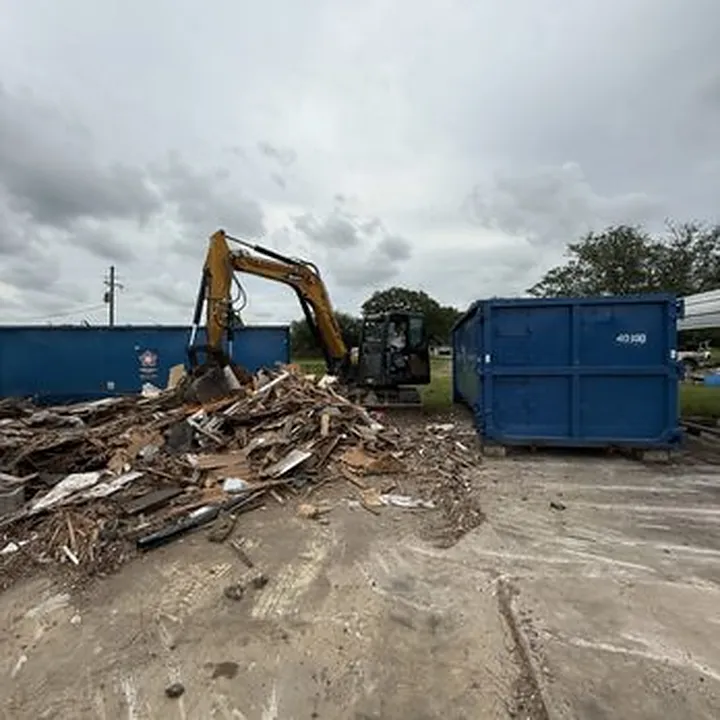
Sorting Debris for CALGreen Diversion and City Deposits
Under CALGreen, covered projects must divert at least 65 percent of their nonhazardous construction and demolition debris from landfill. Many Bay Area cities enforce that through a waste management plan filed with the permit and a deposit that is refunded once the project shows its diversion numbers. Missing paperwork can cost the owner the deposit even if the debris was actually recycled.
That is why sorting happens on the job, not at the end. Concrete and asphalt, clean wood, metal, green waste, soil and mixed debris go into separate piles, bins or truckloads. Clean, single-material loads are cheaper to tip and count fully toward diversion. Every load gets a weight ticket from the receiving facility, and we keep them organized by project so the final report is easy to assemble.
- Concrete, asphalt and rock to crushing yards
- Clean wood and green waste to processors
- Steel, copper and aluminum to metal recyclers
- Clean soil to reuse sites when testing allows
- Mixed debris to sorting transfer stations
Dump Trucks, Bins and Hand Loading for Debris Removal
How debris leaves the site depends on where it sits and what it is. On open lots, an excavator or loader fills a dump truck directly, which is the fastest and cleanest option for heavy material like concrete and soil. Roll-off bins work well when debris is generated slowly over days, such as during an interior strip-out, or when a truck cannot stay parked for long.
Some jobs have no machine access at all: a hillside home with stairs from the street, a backyard behind a narrow side yard, or an upper floor unit. There the crew hand-carries or uses power buggies to move material to a bin at the curb. Heavy debris like broken tile and plaster weighs far more than it looks, so we size bins by weight limits, not just volume.
How Debris Hauling Works, Step by Step
Look at the Debris and Sort the Streams
We see the pile or the job first, estimate weight and volume by material, and flag anything that needs special handling. Your city's diversion requirements shape how the debris is separated on site.
Arrange Trucks, Bins and Any Street Permits
We choose dump trucks, bins or hand loading based on access, and line up right-of-way permits and no-parking signs where the city requires them for debris removal from the street.
Load, Haul and Collect Weight Tickets
Each material stream is loaded separately and taken to a facility that accepts it. Weight tickets come back with every load and are filed by project for the diversion report.
Sweep the Site and Hand Over Diversion Records
The loading area and street are swept clean. You receive the tickets and a summary of tonnage by material, ready to submit for the waste management plan and deposit refund.
Hazardous Materials Kept Out of Debris Loads
Not everything on a job site can ride in a debris truck. Asbestos-containing material is removed, bagged and disposed of by the certified abatement contractor under its own manifest, never mixed into general demolition debris. Lead-painted components may need specific handling depending on the abatement plan. Pressure-treated lumber from decks and fences falls under California's treated wood waste rules and goes to facilities that accept it.
Appliances with refrigerant need the refrigerant recovered before scrapping. Paint cans, solvents, batteries, fluorescent tubes and electronics are household hazardous or universal waste and go to their own collection routes. Soil that smells of fuel or looks stained is not hauled until it is tested. We sort these items out on the walk-through so they do not end up in the wrong load.
Hauling From Hillside, Downtown and Tight-Access Sites
Access shapes the haul plan as much as the debris does. In dense parts of San Francisco and Oakland, placing a bin or parking a truck on the street usually needs a city permit for use of the public right-of-way, and posting temporary no-parking signs in advance. Narrow hillside streets in Marin and the Berkeley hills can limit truck size, and some roads have weight restrictions.
Steep driveways and soft yards may require plywood or mats to protect surfaces under loaded equipment. Where trucks must wait in a travel lane, a flagger keeps traffic moving. We plan loading times to avoid school hours and tight streets at rush hour when possible, and we sweep the street after each load so neighbors are not left with dust and mud.
What Affects the Cost of Debris Hauling
Material type sets the base, because receiving facilities charge different rates for concrete, soil, wood, green waste and mixed debris, and some take clean loads at lower rates than contaminated ones. Weight matters more than volume for heavy material. Distance to the right facility, traffic on the route and the number of trips add trucking time.
Labor depends on how hard the debris is to reach and load. A pile at the curb loads in minutes, while debris carried down a flight of stairs takes a crew most of a day. Street permits, traffic control, special handling for treated wood or appliances, and the reporting your city requires also affect the price. We look at the site and the material before quoting.
Related Site Clearing Services
Site Clearing
Land Clearing
Lot Clearing for New Construction
Excavation & Grading
Tree & Stump Removal
Construction Cleanup
Brush & Defensible Space Clearing
Debris Hauling Across the San Francisco Bay Area
Can you haul debris from a project another contractor did?
Yes. We haul leftover concrete, wood, soil, green waste and mixed debris from projects of any origin. We look at the material first so we can sort it properly and flag anything that needs special handling before loading.
Do you provide weight tickets for my city's recycling requirement?
Every load gets a weight ticket from the receiving facility, and we keep them organized by job. At the end, you receive the tickets and a tonnage summary by material to submit with your waste management plan.
Will you haul asbestos or other hazardous waste?
No. Anything containing asbestos leaves with the certified abatement contractor, on that firm's own waste manifest. Treated wood, refrigerant appliances, paints and batteries go through their own disposal routes, which we help arrange.
Is a city permit required to park a debris bin on my street?
In many Bay Area cities, yes. Placing a bin or staging trucks in the public right-of-way usually requires a city permit and sometimes advance no-parking signs. We check the local rule and include it in the plan.
How fast can debris be removed after a demolition or cleanup?
Timing depends on volume, access, street permits and facility hours, so it varies from job to job. Use the quote form or call, and we answer within one business day with a proposed schedule.
Schedule Debris Hauling for Your Job Site
Describe the material, give a rough sense of the pile size, and note how a truck would get to it. Call (510) 826-3578 or request a quote online.
- Email: contact@sfbayareademolitioncontractor.com
- Serving all 9 Bay Area counties from San Jose